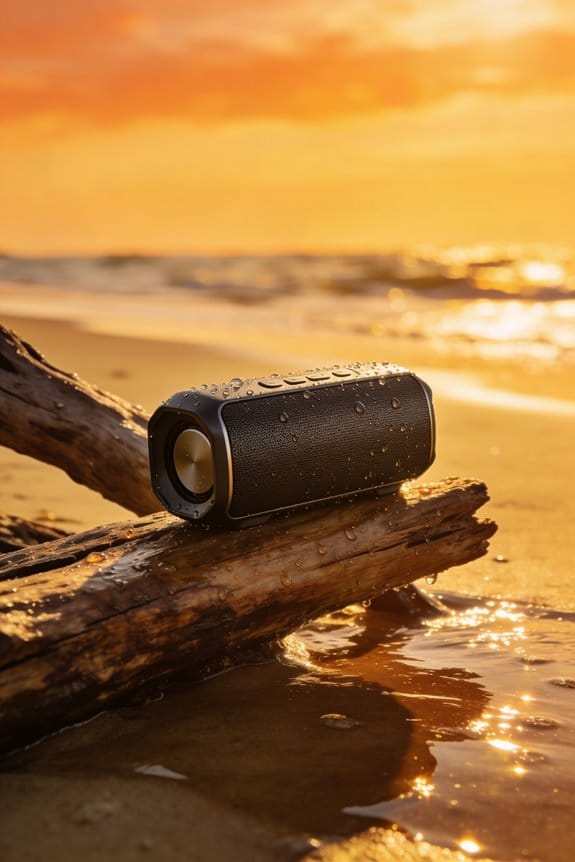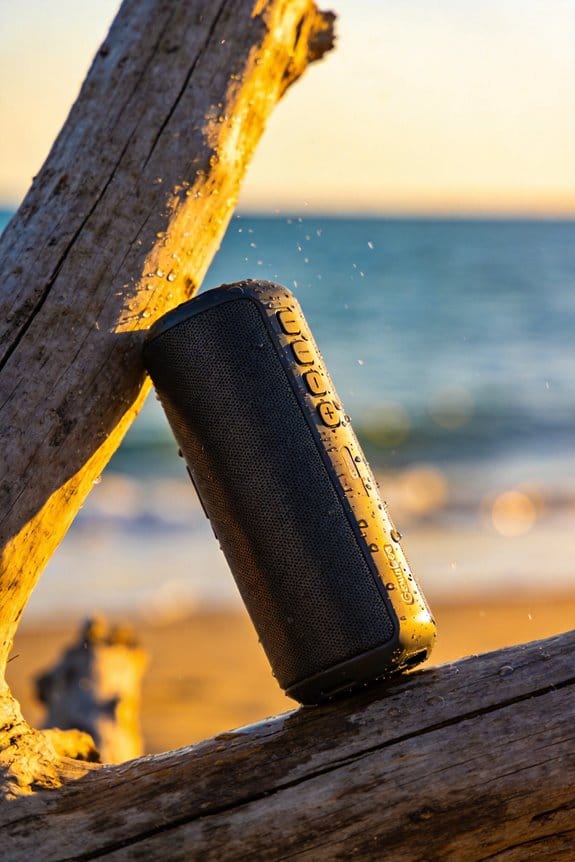
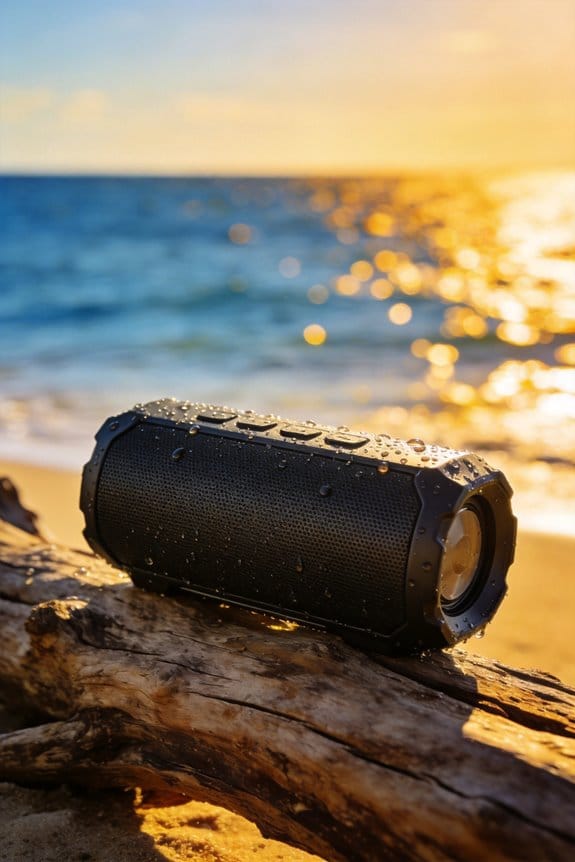

AI‑EQ and real‑time room correction constantly listen to the tweeter and mid‑woofer, adjusting digital filters to tame bass or sharpen highs as the room changes, while a 20 mm tweeter paired with a 50 mm mid‑woofer delivers crisp highs and balanced mids, and dual Class‑H amplifiers provide 40 W of clean power without distortion; the 40‑hour battery and smart thermal management keep volume steady, the IP67 sealed chassis and shock‑absorbing design protect the drivers, and Bluetooth LDAC or Wi‑Fi 802.11ac streaming supports 24‑bit/192 kHz lossless audio, so you’ll get reliable, high‑quality sound on the go, and the next sections reveal even more details.
Key Takeaways
- Advanced AI‑EQ and real‑time room correction continuously adapt the speaker’s frequency response to the listening environment, preserving clarity and balance.
- Larger drivers (e.g., 20 mm tweeter, 50 mm mid‑woofer) and dual Class‑H amplifiers deliver richer mids and tighter bass while keeping distortion low at high volumes.
- Sufficient power output (≈40 W) combined with efficient thermal management and stable voltage regulation ensures consistent mids and highs throughout long playback sessions.
- Robust IP67 sealing and shock‑resistant construction protect drivers and electronics, maintaining sound quality despite exposure to water, dust, or impacts.
- High‑resolution wireless codecs (LDAC, aptX‑HD) and Wi‑Fi streaming support 24‑bit/96 kHz or higher audio, preserving detail and dynamic range over reliable connections.
How AI‑EQ and Real‑Time Room Correction Improve Portable‑Speaker Sound?
Ever tried to crank up your JBL Boombox 4 at a backyard BBQ, only to hear the bass get mushy and the highs sound tinny? That’s what happens when a speaker’s sound meets a room it wasn’t tuned for. The good news is that the built‑in AI Sound Boost and Adaptive EQ can fix that on the fly, so you get clean, balanced audio without fiddling with knobs.
The system constantly listens to what the tweeter and mid‑woofer are doing, then checks how the room reflects those sounds. If the kitchen walls bounce back too much low‑end, the AI tames the bass; if a car interior dulls the treble, it sharpens the highs. All of this happens in real time, so you never notice a lag. The result is a richer, clearer sound that feels natural whether you’re in a cramped apartment or a spacious patio.
What the tech actually does
- Measures ambient reflections and adjusts the digital filter bank on the fly.
- Balances power so the 10 W driver can fill a small space without losing detail.
- Keeps the 40‑hour battery life steady even when you crank the volume.
Frankly, you don’t have to pick a preset or mess with an app. The AI tuning engine does the heavy lifting, adapting the sound profile as you move from room to room. That means the mids stay smooth, the highs stay crisp, and the bass stays deep, no matter where you set the box down.
If you’re worried about draining the battery, don’t be. The adaptive EQ actually helps the speaker stay efficient, so the long‑lasting charge you love stays intact. And because the system is always listening, it can spot changes—like a crowd moving closer or a door opening—and tweak the sound instantly.
Here’s the trick: let the speaker do its thing for a few seconds after you turn it on. Give it a moment to “learn” the space, then sit back and enjoy. You’ll notice the difference right away, especially in the way the mids feel fuller and the highs sparkle without harshness.
The biggest win is the consistency. You won’t have to switch between EQ settings for a kitchen, a patio, or a car. The AI handles it all, delivering a reliable listening experience every time you hit play.
Recommended Products
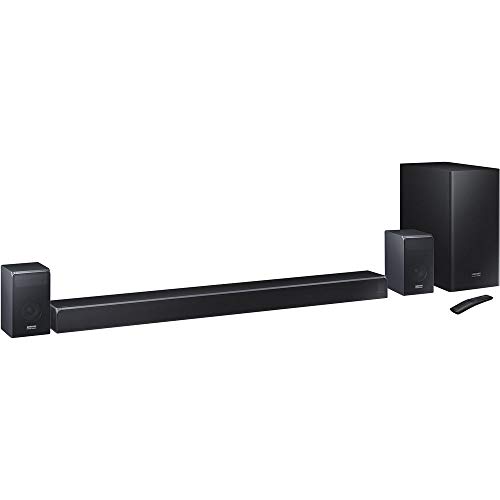
Product Dimensions: 48.26" W x 3.26" H x 5.35" D | Spk (sub woofer) Net Dimension: 8.07" W x 15.86" H x 15.86" D

Indoor, outdoor, wherever: choose between sound profiles that are optimized for specific spaces. Adjust EQs and tweak your audio to match your party’s ups and downs

Active noise cancelling for full immersion and transparency mode to interact with your environment
Why Driver Size and Mid‑Range Balance Matter in Portable Speakers
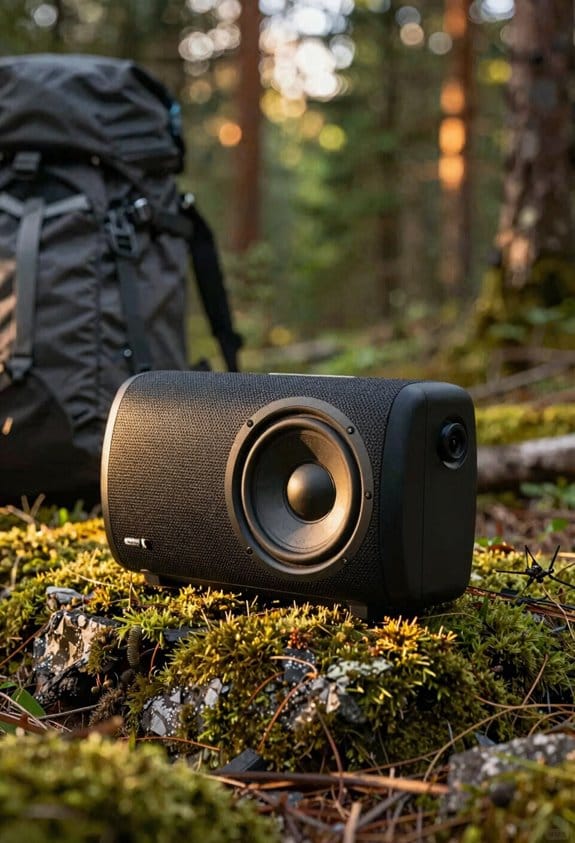
Ever tried to crank up your portable speaker at a backyard party and felt the mids getting lost in the bass? The JBL Boombox 4 tackles that with a 20 mm tweeter and a new 50 mm mid‑woofer, both powered by dual Class‑H amps. You’ll hear crisp highs, balanced mids, and a bass that fills the space without drowning out vocals.
Frankly, larger drivers move more air, which makes the mids richer and the low‑end tighter. The mid‑range is tuned so speech and singing stay clear, even when you push the volume. When you compare a 30 mm driver to a 50 mm one, the bigger size gives you stronger bass without sacrificing mids, and the dual‑amplifier setup keeps the output even across the whole range.
Here’s the trick: if you’re listening outdoors, this balance lets you enjoy music and podcasts without any part of the sound feeling missing or over‑emphasized.
- Dual Class‑H amplifiers maintain consistent output across the spectrum.
- The 50 mm mid‑woofer adds depth while keeping mids intact.
You’ll notice the speaker’s air movement translates into a fuller sound that doesn’t get muddy. The mids stay accurate, so vocals never get buried under the bass.
Worth knowing: the larger driver dynamics give you that extra punch in the low end while preserving the clarity of the mids.
Recommended Products
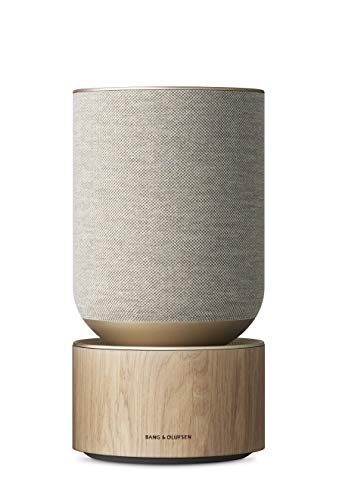
Beautifully balanced: Contemporary, elegant design. Pure, unspoiled sound performance. Two sides to one speaker working in harmony, Beosound Balance.

IMPLOSIVE SOUNDSTAGE - Experience an expansive soundstage that transforms any space into an auditory delight, making it the perfect surround sound system for your home. Superior user experience, including Devialet Remote for precision handling.

Professional column PA system with 3000 Watts Peak, 1500 Watts RMS and 132 dB SPL max. SPL
How Power Output & Battery Life Keep Audio Consistent on the Go
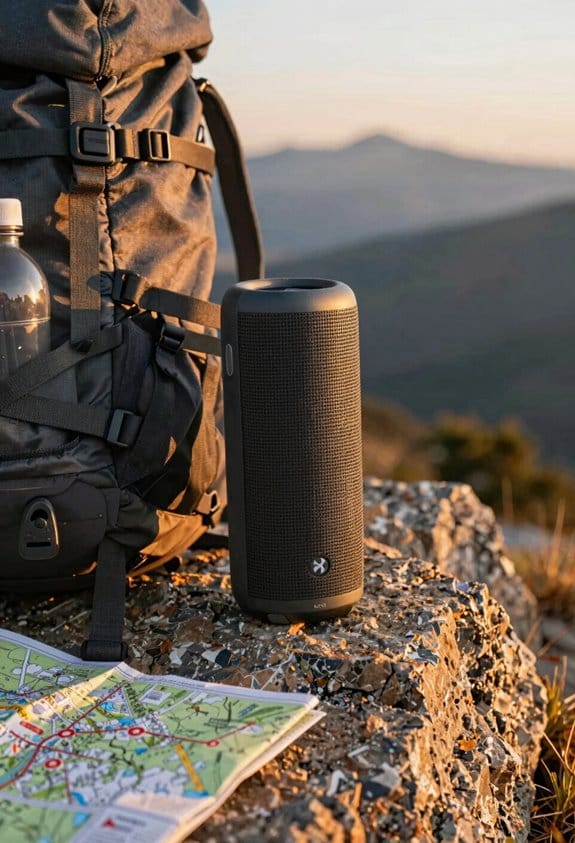
Ever found yourself at a park or beach, music fading just as the sun starts to set?
That’s the moment the JBL Boombox 4 shines. Its 40 Watt output and 40‑hour battery keep the volume steady and the mids clear, even after hours of outdoor use. The dual Class‑H amplifiers keep distortion low when you crank it up, and the IP67 rating means rain, sand, or dust won’t kill the vibe.
Frankly, the battery life really matters for sound stability. The power‑management system holds the voltage steady, so the mids don’t sag once the charge drops below 20 %. This works hand‑in‑hand with thermal management—heat‑dissipating chassis and smart throttling let you boost bass or treble without overheating.
Worth knowing:
- The Boombox 4 can run for 40 hours on a single charge, while a 10‑Watt model barely makes it through 8 hours.
- Its chassis helps move heat away, so the speaker stays cool during long playlists.
- The IP67 rating protects against water and dust without compromising sound quality.
When you compare it to a smaller 10‑Watt speaker, the difference is clear. The Boombox 4 maintains loudness, balanced mids, and low distortion throughout its long run time, making it a reliable companion for road trips or backyard gatherings.
If you’re hunting for a portable speaker that won’t quit on you mid‑day, the Boombox 4’s power and battery life are worth the investment. Ready to upgrade your outdoor sound game?
Recommended Products

Recommended uses for product: Indoor/Outdoor

Bundle Includes: 2 x JBL Speaker 710, 2 x AC Power Cord, and 1 Year Extra Warranty

Compact wireless speaker
How IP Rating & Shock‑Resistant Design Preserve Sound Quality in Portable Speakers
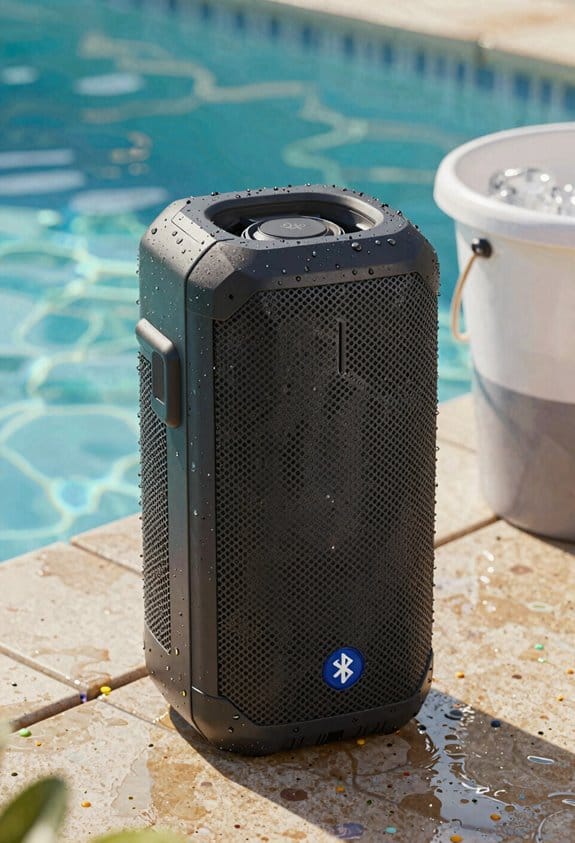
Ever tried to bring your speaker to the beach and ended up with a soggy mess?
When you toss a JBL Boombox 4 or a Stormbox Micro 2 onto a blanket, the IP67 rating and shock‑resistant build keep the sound solid. The sealed enclosure blocks dust and water, while the reinforced chassis soaks up impacts. That means the drivers stay aligned and the dual Class‑H amplifiers stay cool, so mids and highs stay clear even after hours of use.
Frankly, the waterproof seals protect the drivers from moisture and sand, and the impact‑absorption parts keep the internal geometry intact. You’ll notice the bass stays tight and the treble stays crisp after a fall, and the rugged construction lets you play in rain, mud, or on a trail without losing fidelity.
Worth knowing:
- The sealed box stops dust and water from getting inside, which helps the drivers work properly.
- Reinforced chassis and shock‑absorbing materials keep the speaker’s internal parts from shifting.
If you’re looking for a speaker that can survive a bike ride drop and still sound great, these design tricks are why the JBL Boombox 4 and Stormbox Micro 2 hold up. The dual Class‑H amps stay within safe temperature ranges, so a 40‑Watt model can run for 40 hours, and a 10‑Watt, 8‑hour unit still delivers balanced audio without distortion despite occasional bumps.
Try this: give your speaker a quick wipe after each adventure, and store it in a dry spot when you’re not using it. That simple habit helps the seals stay effective and the chassis stay strong.
Which Connectivity (Bluetooth or Wi‑Fi) Delivers the Best High‑Resolution Streaming?
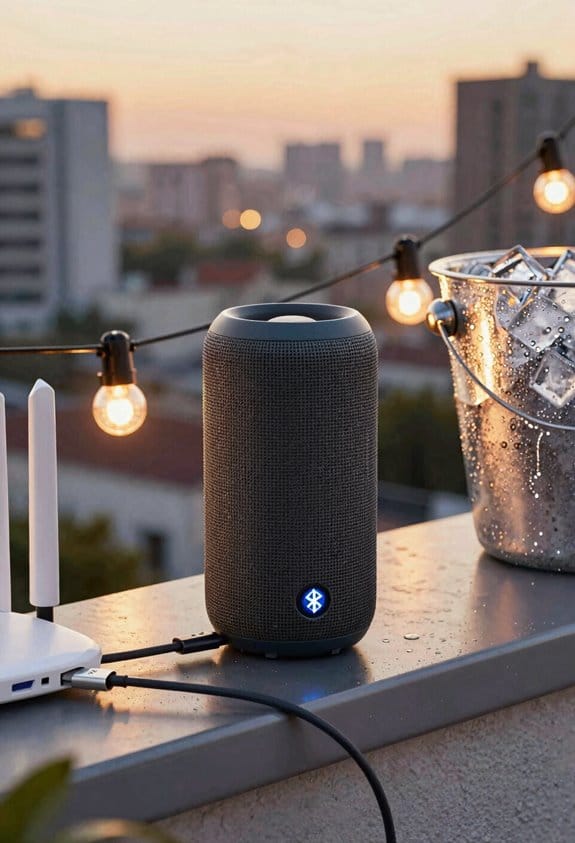
Ever tried to stream your favorite high‑res tracks and wonder why the sound sometimes falls flat?
Bluetooth’s low‑latency codec and easy pairing let the JBL Boombox 4 pull 24‑bit/96 kHz audio straight from your phone, and the dual Class‑H amps keep mids and highs crisp. The range is about 10 meters, which works fine for a living‑room setup.
Wi‑Fi, on the other hand, runs on 802.11ac and dedicated streaming apps, so you can push 24‑bit/192 kHz files without any compression. The Boombox still holds a 40‑hour charge even when you crank the EQ, and the signal reaches roughly 30 meters, covering multiple rooms without dropping.
Worth knowing:
- Bluetooth LDAC is great for quick, stable links when you’re moving around.
- Wi‑Fi Multiroom shines for lossless FLAC playback across a house.
Frankly, matching the source file’s bit depth to the connection’s bandwidth keeps the sound crisp. If you’re mostly in one spot, Bluetooth might be enough; but for whole‑home listening, Wi‑Fi gives you that extra headroom.
Recommended Products

AMD Ryzen 9 8940HX: With 16 cores and 32 threads, this ultra-efficient processor delivers desktop-level speed in a portable chassis. Featuring up to 5.3GHz boost clock and advanced Zen 4 architecture, whether you’re crushing AAA titles, editing 4K videos, or multitasking with demanding creative software, the 8940HX handles it all with effortless precision. So you can game harder, create faster, and do more without compromise.
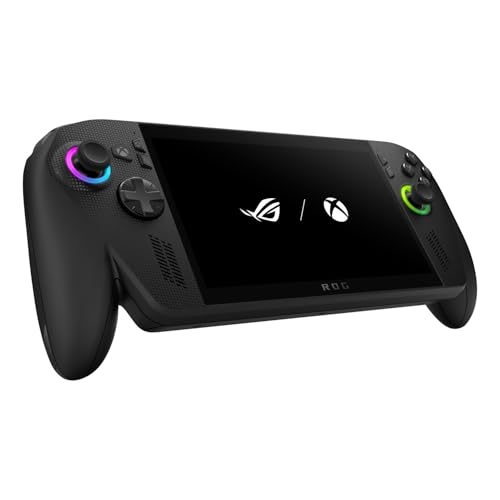
Processor AMD Ryzen AI Z2 Extreme 8-Core / 16-Thread, Up to 5.0 GHz, with Built-In NPU. The AMD Ryzen AI Z2 Extreme is a next-generation APU engineered to deliver exceptional performance, efficiency, and intelligence within a compact handheld device.

LSX II offers the highest quality sound in its size with streaming up to 24bit/384kHz, making high-fidelity sound accessible to more listeners.Waterproof : No
Frequently Asked Questions
How Does Speaker Placement Affect Ai‑Eq Performance?
I’ve found that placing the speaker near the listener’s height and away from walls lets the AI‑EQ read true room acoustics, so it can balance bass, mids, and highs without over‑compensating.
Can Bluetooth Codecs Impact Ai‑Boost’s Real‑Time Correction?
I’d say codecs definitely affect AI‑Boost’s real‑time correction; higher codec latency can lag the analysis, while robust bandwidth negotiation guarantees the data stream stays smooth enough for precise, on‑the‑fly adjustments.
Do Ambient Temperature Changes Alter Driver Efficiency?
Do you notice when a speaker sounds thinner on a hot day? I’ve seen thermal drift cause impedance change, reducing driver efficiency, so hotter temps can mute bass and flatten highs.
Will Recycled‑Plastic Enclosures Affect Sound Clarity Over Time?
I’ve found that recycled‑plastic enclosures don’t degrade clarity; the polymer’s resonance stays stable, and any aging is negligible, so the sound remains crisp and balanced even after years of use.
How Does Wi‑Fi Latency Influence Adaptive EQ Adjustments?
I notice Wi‑Fi latency slows adaptive EQ because network jitter and packet prioritization cause buffer underruns, so I rely on latency masking to keep the sound smooth despite occasional delays.