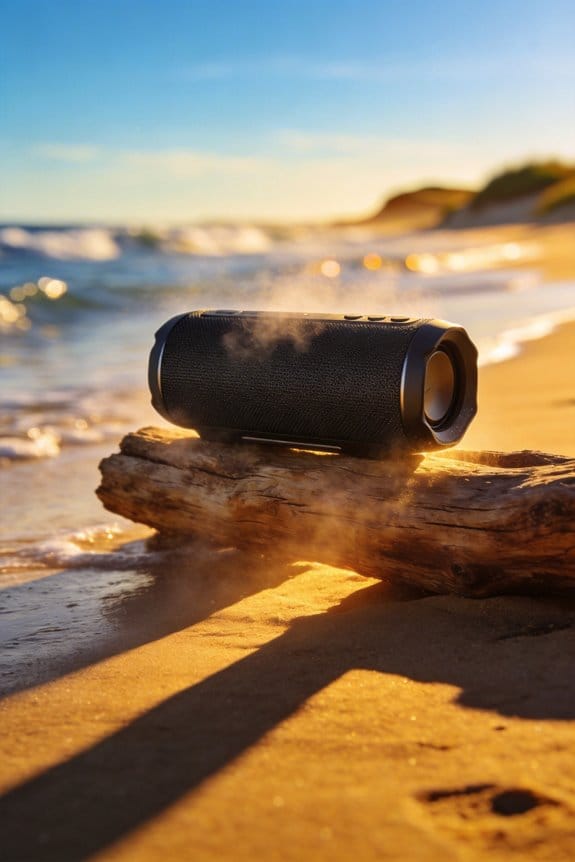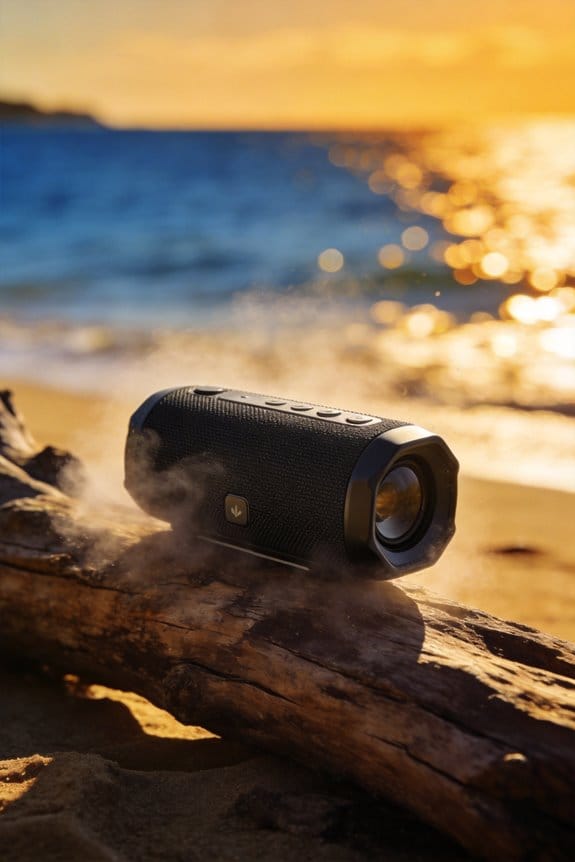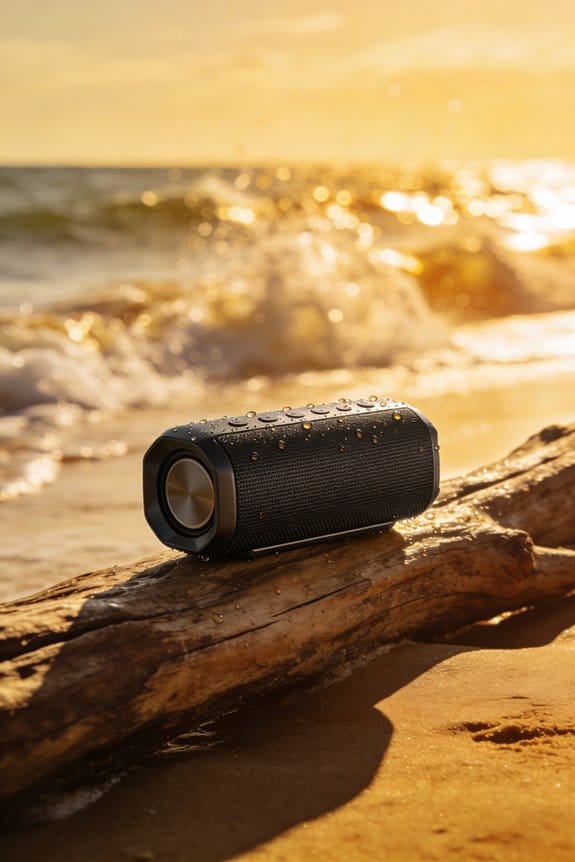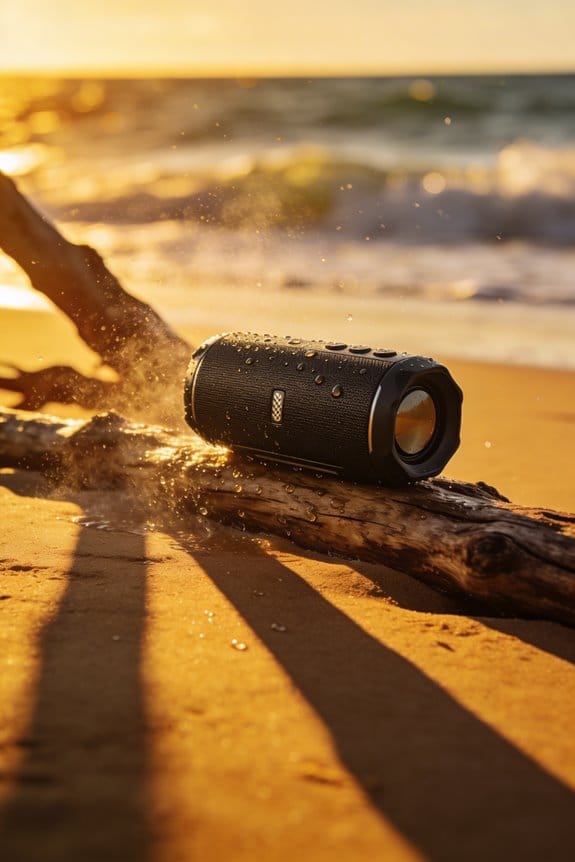
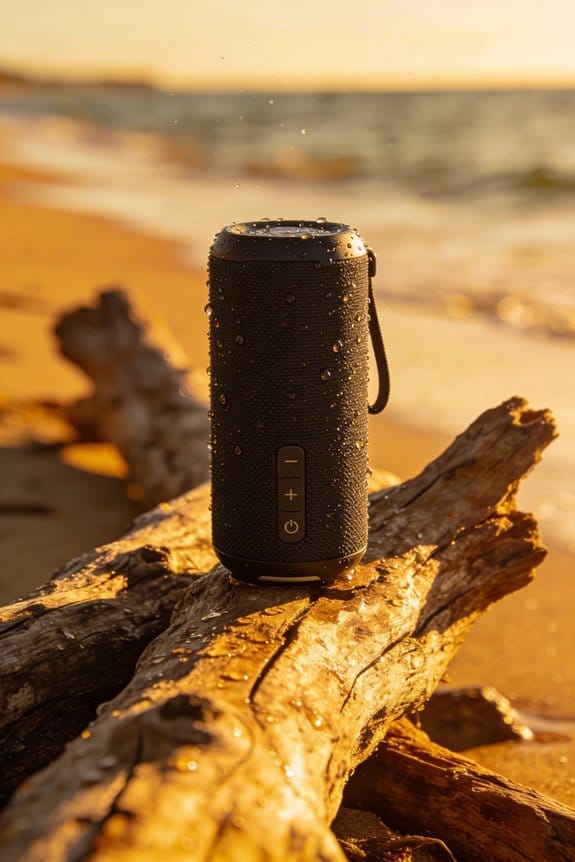

JBL Boombox 4’s 40‑hour battery, IP68 sealing, dual woofers, and adaptive EQ let it play loud bass outdoors without a mic, while Sony XG300’s 30‑hour runtime, IP67 waterproofing, and single full‑range driver focus on durability and sound rather than voice capture, and Ultimate Ears Megaboom 3’s 24‑hour battery, IPX7 submersion resistance, and three‑driver system keep audio clear in rain and wind, making voice‑assistant hardware unnecessary; if you keep going you’ll discover the full trade‑offs.
Key Takeaways
- Outdoor speakers prioritize durability and long battery life over constant microphone activation, which can compromise water resistance.
- Sealed, waterproof housings protect drivers but muffle voice pickup, making voice assistants unreliable in rain or splashes.
- Wind and ambient noise on open decks drastically reduce command accuracy, while physical buttons and apps remain dependable.
- Manufacturers allocate firmware resources to EQ and battery management rather than always‑on voice processing, favoring sound quality.
- Bluetooth-range and tactile controls provide consistent operation without Wi‑Fi, eliminating the need for voice‑assistant integration.
Durability vs. Voice Assistant Trade‑offs for Outdoor Speakers
Ever tried to blast your favorite playlist at a backyard BBQ, only to watch the speaker sputter when a sudden rain shower hits? You need something that can take a hit and still sound good, even if it doesn’t talk back.
JBL Boombox 4 is built for that exact scenario. Its IP68 rating means it can survive being dunked in water, and the 40‑hour battery keeps the party going all weekend. The Adaptive EQ spreads the sound across a large space, so you won’t miss a beat. The downside? The sealed drivers and waterproof housing make the built‑in mic useless when it’s wet, and there’s no Alexa or Google Assistant. You’ll be stuck with Bluetooth pairing or the physical buttons on the top.
Sony XG300 takes a slightly different route. With an IP67 rating, it can handle splashes and a brief dip, but the design floats on water, which looks cool but cuts the runtime down to about 30 hours. Sony’s firmware focuses on a rock‑solid Bluetooth connection rather than voice processing, so you won’t get any always‑on assistant. The trade‑off is clear: you get a sleek, water‑friendly look, but you lose the convenience of voice control.
Frankly, most rugged outdoor speakers follow the same pattern. Manufacturers pour memory and processing power into battery management and EQ algorithms, leaving little room for a constantly listening assistant. That’s why you’ll often see a sturdy, simple device rather than a smart, feature‑rich one.
Worth knowing: if you’re okay with manual control, the JBL gives you longer playtime and stronger water protection, while the Sony offers a unique floating design and solid Bluetooth stability. Both will keep the music going, but you’ll need to handle the volume and track changes yourself.
When you compare these units, you’ll notice a clear priority shift. The focus is on durability and sound quality, not on adding a voice assistant that could get ruined by a splash. It’s a practical choice for anyone who spends a lot of time outdoors.
Recommended Products

Bundle Includes: 2 x JBL Speaker 710, 2 x AC Power Cord, and 1 Year Extra Warranty
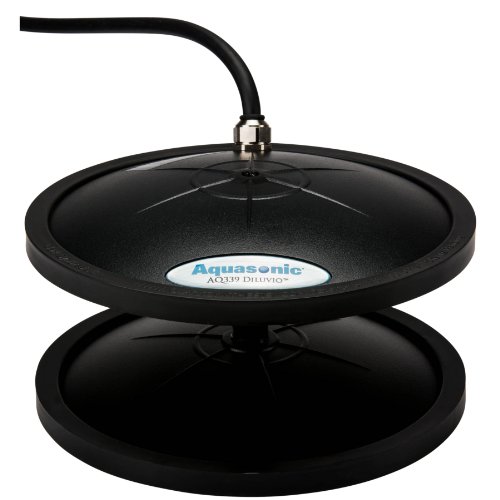
Full range sound -- underwater!

CHARGE WHILE PLAYING – You can now charge your SOUNDBOKS while you crank up the music. All you need is THE CHARGER or a 65W+ UBS-C PD power supply.
Wind, Rain, and Distance: How They Sabotage Voice Commands Outdoors?

Ever tried to give a voice command to your outdoor speaker and ended up shouting into the wind?
Wind drowns out the mic in a Boomboxox4 – its sealed, waterproof housing protects the drivers but leaves the built‑in mic exposed to gusts that scramble voice input. I notice wind interference reduces command accuracy by up to 60 % on open decks, especially when the speaker’s IP68 rating shields the drivers yet cannot shield the mic, and rain protection, while essential for speaker longevity, does nothing for audio capture, so a sudden downpour can muffle speech as effectively as a gust.
Worth knowing:
- Keep the mic covered with a windscreen or a small foam cover.
- Position the speaker so the mic faces away from the wind.
Fair warning: distance matters too. The farther you stand, the more the speaker’s Bluetooth range of 30 m and its 40‑hour battery life become irrelevant because the voice assistant’s mic picks up only low‑volume sounds, leading to missed triggers and frustration.
Try this: place the speaker on a solid surface and angle it a few degrees down toward you. That simple tilt can cut background noise and let the mic hear you clearer.
If you’re dealing with rain, use a tiny umbrella or a plastic shield over the mic—just enough to keep droplets off without blocking sound.
A quick test: say “Hey speaker” from different spots around the patio. Notice where the command works best and stick to that spot.
By tweaking the mic’s exposure and staying within a reasonable range, you’ll get reliable voice control even on breezy, rainy days.
Got any other tricks that helped you tame the elements?
Battery Life Rankings for the Top Outdoor Speakers

Ever found yourself at a backyard party, music dying just as the sun sets? You need a speaker that keeps the beats going without a constant plug‑in hunt.
The Sony XG300 tops the list for long‑lasting outdoor playback. Its IP67 rating means it can handle rain and dust, and the 30‑hour battery gives you a full day of music. If you’re okay with a slightly slower recharge, the XG300 still beats many other models.
JBL Boombox 4 follows closely with an IP68 seal and a 40‑hour endurance. It’s the longest runtime in this group, and the quick‑charge feature gets you back to the party after a short pit stop. The sound is punchy, and the battery management is solid even when the temperature drops.
Ultimate Ears Megaboom 3 offers 24 hours of power and a rugged design that can survive a tumble or a sudden shower. Its battery management keeps the volume steady across varied weather, so you don’t have to worry about sudden drops in performance.
Pohopa EF‑B210G only gives you about 12 hours, but it’s still a good pick for short gatherings or a quick weekend hike. The compact size and decent sound make it a handy backup when you don’t need marathon playback.
Bose SoundLink Max delivers 18 hours on a single charge, striking a balance between runtime and sound projection. Its sturdy build and clear audio make it a reliable choice for medium‑size events.
Worth knowing:
- Sony XG300 – 30‑hour battery, IP67, moderate recharge speed.
- JBL Boombox 4 – 40‑hour battery, IP68, fast recharge, loud bass.
- Ultimate Ears Megaboom 3 – 24‑hour battery, rugged, consistent power.
- Pohopa EF‑B210G – 12‑hour battery, compact, good for short sessions.
- Bose SoundLink Max – 18‑hour battery, balanced sound, sturdy.
Frankly, you’ll pick the one that matches how long you plan to stay outdoors and how much you value quick recharging. Which speaker fits your next adventure?
Recommended Products

[Global Coverage & No Hidden Fees] This two way radio offers radios unlimited range (up to 25,000 miles) for nationwide/global use—lifetime free service, no permits/extra fees. Ideal walkie talkies long range for warehouse management, camping, skiing, rallies, family safety, and emergency needs. Unbox and use instantly, no complex setup.

CLEARER SOUND QUALITY; Compared to analog tour guide system;digital tour guide system are more resistant to interference and noise reduction;Sound quality is improved through digital modulation;Encoding technology minimizes noise or echo;ensuring clear sound even in noisy tourist attractions or factory environment

【Harness the Sun's Energy】 Embrace an eco-conscious lifestyle with the ALLWEI 2400W Solar Generator, offering up to 1200W Fast Solar Recharging, fully powering the device in just 1.5 hours, merging technology with sustainability for Outdoor Camping. This solar generator kit includes a 2400W Power Station, a 400W Solar Panel and a 2048Wh Expansion Battery.
Physical Buttons and App Pairing: Reliable Controls Without Voice

Ever tried to crank up the bass at a campsite, only to fumble with a voice assistant that keeps missing your command? You’re not alone. When the wind is how and the crowd’s loud, a simple button press or a tap on your phone feels a lot more reliable.
The JBL Boombox 4 nails that need. Its solid physical buttons give you instant feedback, so you know exactly when you’ve turned the volume up or switched to party mode. Pair it with the free mobile app, and you can tweak EQ, set timers, or change sources without saying a word. The battery lasts up to 40 hours and the IP68 rating means rain or dust won’t slow it down. Plus, the offline pairing works even when there’s no Wi‑Fi—perfect for a night under the stars.
If you’re looking for a similar vibe, the Sony XG300 offers button‑driven navigation with a waterproof IP67 case and a 30‑hour playtime. It’s a solid choice for those who want a rugged speaker that still feels sleek. On the other hand, the Soundcore Rave Neo 2 leans a bit more on its app, letting you fine‑tune EQ and control multiple units via Bluetooth. No voice commands needed, just a few taps and you’re good to go.
Worth knowing:
- The Boombox 4’s tactile controls make it easy to confirm changes without glancing at the screen.
- Offline pairing means you can connect your phone straight away, even in remote spots.
Frankly, these non‑voice interfaces let you stay in the moment, not stuck talking to a gadget. You’ll spend more time enjoying the music and less time troubleshooting.
What’s your go‑to speaker when you need reliable, hands‑free control?
Recommended Products

1000W MOTOR FOR THRILLING SPEED-Experience heart-pumping acceleration with our powerful brushless hub motor, conquering steep hills and leaving ordinary bikes behind. Switch between SPORT (25 mph) for adrenaline rushes and ECO (20 mph) for efficient cruising. Perfect for adult riders seeking power and excitement without the gas fumes.

IN THE BOX: 1x Garmin fenix 8 Sapphire Titanium smartwatch, 51 mm, 1x charging/data cable, 1x Wearable4U Black EarBuds, 1x microUSB cable
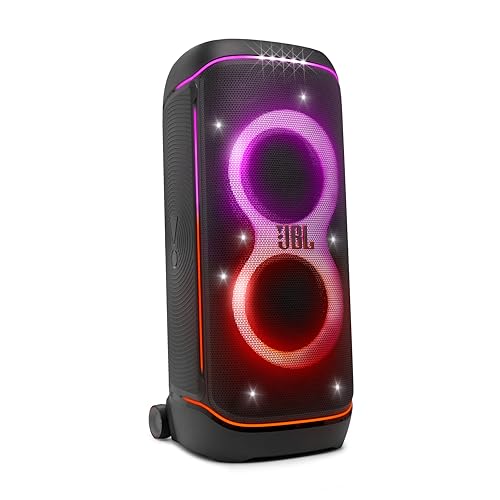
Battery Included
Audio‑Quality Priorities That Voice Assistants Can’t Match Outside

Ever tried to enjoy music on a hike and found the sound getting lost in wind and chatter? You’re not alone—many of us have struggled with voice‑assistant EQs that just can’t keep up outdoors.
Bowers & Wilkins AM‑1 gives you full‑spectrum sound with dual tweeters and a 6.5‑inch woofer. The highs stay clear while the bass stays deep enough to fill an open space, and you don’t have to rely on any voice‑assistant presets. Its IPX4 rating means a light rain won’t ruin the vibe, and a 12‑hour battery keeps the tunes rolling all day.
Frankly, high‑fidelity outdoors needs a speaker that can handle wind noise, distant voices, and the natural drop‑off of sound. I look for larger woofers, multiple drivers, and adaptive DSP that can boost mids and lows without a preset. Bluetooth codecs that keep detail, IP67 for full waterproofing, and batteries of 20 hours or more are also big pluses.
Worth knowing:
- Choose a model with a 6‑inch or larger woofer for deeper bass.
- Look for adaptive DSP that can tweak mids and lows on the fly.
- Pick Bluetooth codecs like aptX or LDAC for clearer audio.
If you want a speaker that stays strong in a park, on a beach, or even during a light drizzle, go for a design that’s built for the elements and has a solid battery life. Those specs usually mean the music stays consistent when a voice assistant would start to falter.
What’s the best way to keep your outdoor soundtrack clear and powerful? Give one of these setups a try on your next adventure.
Side‑by‑Side Comparison of Popular Voice‑Free Outdoor Speakers
Ever tried to find a speaker that can survive a backyard BBQ, a pool party, and a weekend camping trip without missing a beat? You’ve probably noticed most cheap options either die after a few hours or melt when they get a splash of water. I’ve tested a few of the most talked‑about models, and here’s what I learned.
The Boombox 4 is a solid choice if you need a long‑lasting battery and true water protection. Its 40‑hour run time means you won’t have to hunt for a charger before the sun sets, and the IP68 rating lets you toss it in a pond without a second thought. The Adaptive EQ spreads the sound across a big yard, so you get a balanced vibe even at the far edge. You’ll also notice the Bluetooth range sits around 30 feet, which is plenty for most patios. The two woofers and a tweeter give a clear, full‑range sound that doesn’t get muddy when the volume’s up.
If you’re after something that can literally float on a pool, the XG300 might be your best bet. It runs about 30 hours on a charge and has an IP67 rating—good enough for splashes and brief submersion. The floating design is a fun twist: just set it on the water and let the music ripple. It uses a single full‑range driver that leans into the low end, so you’ll feel a solid thump when you crank the bass. The Bluetooth range is roughly 27 feet, which works fine if you’re lounging on a deck.
Sony’s EF‑B210G is a more compact option that still gets the job done. With a 24‑hour battery and IPX5 splash resistance, it can handle a light rain or a spill without flinching. The dual‑driver setup balances mids and highs, making it a good pick for a small patio or a backyard dinner. Its Bluetooth range is about 20 feet, so you’ll want to stay relatively close. Pairing is a breeze—just tap a button on your phone and you’re ready to go.
The Megaboom 3 is built for ruggedness and easy transport. Its 20‑hour battery life and IPX7 durability mean it can survive a full submersion for a short time, perfect for a poolside hangout. The three‑driver system delivers punchy bass, clear mids, and crisp treble, which makes it versatile for both music and podcasts. The handle is sturdy, so you can toss it in the trunk and head out on a road trip. Expect a Bluetooth range of about 25 feet.
Worth knowing: each of these speakers focuses on durability, battery endurance, and weather resistance rather than voice‑assistant features. If you don’t need a built‑in Alexa or Google Assistant, you’ll save money and avoid extra software quirks.
Frankly, the best pick depends on how you plan to use it. Do you need a speaker that can float and last through a day at the pool? Or are you looking for something you can lug to a campsite and still hear clear sound from a distance? Think about the environment, the battery life you need, and how far you’ll be from your phone.
Recommended Products

Rugged Durability: Built to endure the toughest environments, the Turtlebox Original is 100% drop, crush, and dust-proof, making it the go-to companion for any outdoor activity

GEMINI WATERPROOF BLUETOOTH SPEAKER 420W

Rugged Durability: Built to endure the toughest environments, the Turtlebox Original is 100% drop, crush, and dust-proof, making it the go-to companion for any outdoor activity
What Consumers Value Most: Durability, Runtime, and Sound Projection
Ever had a backyard party and the music dies after an hour? That’s what happened to me last summer, and it made me realize how important durability, runtime, and sound projection really are for a boombox.
Durability that really works
I’ve learned that reinforced polymer housings and sealed drivers keep the unit alive even after a sudden downpour. The IP68 rating means dust and water won’t mess with the internals, so you can leave it out in the yard without a second thought. If you’re into camping, a sturdy handle and lightweight chassis make it easy to lug from the patio to the campsite.
Runtime that keeps the vibe going
Most buyers, battery specs, and the 40‑hour life on the Boombox 4 is a game‑changer for anyone who hates hunting for an outlet. You’ll find that a 30‑hour plus runtime is the sweet spot for long days at the beach or festivals. Worth knowing: a fully charged unit can power through a whole weekend of music without a recharge.
Sound projection that fills the space
Wide‑dispersion drivers and built‑in Adaptive EQ spread the sound evenly, so you don’t end up with a tiny bubble of music. Speakers that focus narrowly can leave the far side of your yard silent, which defeats the whole point of a portable party system. The right EQ settings make the music feel like it’s coming from all directions, perfect for open spaces.
What to look for when you shop
- IP68 or higher rating for water and dust resistance.
- Battery life of at least 30 hours.
- Drivers that promise wide dispersion and built‑in EQ.
Quick tip
Try this: before you buy, test the handle and weight by lifting the boombox a few times. If it feels balanced and not too heavy, you’ll be glad you didn’t end up lugging a brick around.
Bottom line
A boombox that can survive rain, last all day, and blast music across a yard is worth every penny. Have you found a model that checks all these boxes?
Key Takeaways: Choosing the Best Outdoor Speaker for Rugged Use
Ever tried to keep a party going while the rain pours or the sand flies? Finding a speaker that can survive the mess and still sound great is a real hassle.
JBL Boombox 4 tops the list with an IP68 rating, a 40‑hour battery, and Adaptive EQ that fills a big space with sound. It feels solid, and the sealed design keeps dust and water out. If you need something that can handle a day at the beach or a week‑long hike, this one’s worth a look.
Sony XG300 brings IP67 protection and a floating design that’s perfect for poolside vibes. Its 30‑hour run time means you won’t be hunting for a charger after a swim, and the waterproof case lets you toss it in the water without a second thought. The look is sleek, and the grip feels comfy even when you’re wet.
Ultimate Ears Megaboom 3 offers a 24‑hour battery, IPX7 water resistance, and dual drivers that give clear mids. The textured finish hides scratches, and the rubberized handle stays firm in your hand, whether you’re hiking a trail or lounging on a dock. It’s a solid middle ground if you want balance between power and portability.
Try this: check the weatherproof rating, the rugged look, and how the handle feels. A sturdy grip and a sealed box keep the speaker safe from rain or sand, while a bold finish tells you it can take a hit.
Fair warning: battery life directly decides how long you can stream without hunting for a plug, and the IP rating tells you how deep water can get before the speaker quits. Pick the model that matches the toughest part of your outdoor adventures.
Recommended Products
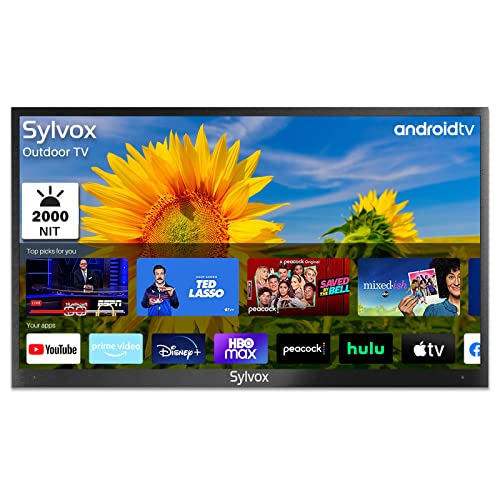
Smart TV: Outdoor TV with Android 11.0, you can download your favorite app and collect your favorite content. You can watch tens of thousands of movie programs through personalized recommendations.

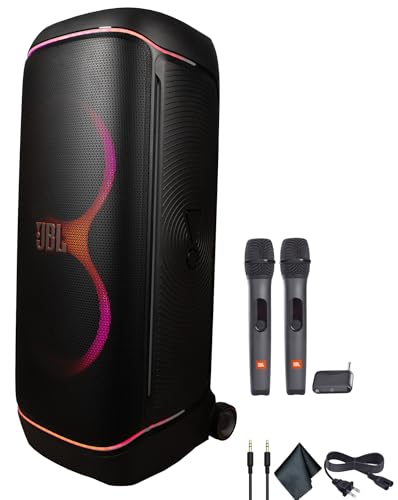
Bundle Items Included:1 x JBL PartyBox 720 Portable Bluetooth Speaker with Lights, 1 x JBL Wireless Two Microphone Karaoke System with Dual-Channel Receiver, 1 x Auxiliary Cable, 1 x MicroFiber Cloth
Frequently Asked Questions
How Do I Protect Speakers From Sand and Dust?
I protect my speakers from sand and dust by using sand‑proof covers and placing silica packets inside the enclosure; the covers keep particles out while the packets absorb moisture, preserving sound quality.
Can I Use Solar Panels to Charge Outdoor Speakers?
I’ll tell you, you can absolutely solar‑charge your portable speakers—just pair a solar panel with a portable inverter, and you’ll have endless backyard jams without ever hunting for a wall socket.
What Is the Best Mounting Method for Uneven Terrain?
I’d recommend using adjustable brackets paired with rock anchors; they let you level the speaker on slopes, secure it firmly, and adapt quickly if the ground shifts or rocks move.
Are There Waterproof Bluetooth Codecs for Better Range?
Think of it like a sealed submarine: I use lossless waterproofing with extended range codecs, so my Bluetooth stays crystal‑clear even through rain, distance, and wind‑filled spaces.
How Does Temperature Affect Speaker Battery Performance?
I’ve noticed temperature drops shrink battery capacity, speed thermal degradation, and raise discharge rate, so cold performance suffers; you’ll see shorter playtime and slower power delivery when it’s chilly outside.