

Auracast™ broadcast mode, powered by Bluetooth 6.0’s channel‑sounding and low‑latency LC3 codec, lets a single phone stream a synchronized audio feed to up to twelve speakers with under 10 ms delay, while adaptive EQ and spatial‑sound algorithms automatically balance volume and tone based on listener position, battery life of 10 hours, IP‑X6 splash resistance, and a sub‑$8 chipset that cuts power use in half; this combination of easy pairing, reliable battery life, robust durability, and affordable hardware drives the surge in multi‑speaker pairing, and the next sections will show how these trends shape everyday listening.
Key Takeaways
- Auracast™ broadcast lets a single device stream synchronized audio to up to 12 Bluetooth speakers, simplifying party‑mode setups.
- Bluetooth 6.0’s channel‑sounding provides centimeter‑accurate positioning, enabling adaptive sound that follows listener movement.
- LC3 codec reduces latency (under 10 ms) and power use, keeping multi‑speaker playback in sync while extending battery life.
- Affordable sub‑$8 chipsets and single‑board designs make multi‑speaker kits cheap and easy to install, widening consumer adoption.
- OTA firmware updates and automatic adaptive EQ eliminate manual tuning, delivering hassle‑free, high‑quality spatial audio.
Why Multi‑Speaker Audio Matters Today
Ever noticed how your favorite playlist sounds great on the couch but turns into a muffled mess when you move to the kitchen? That’s the hassle of single‑speaker Bluetooth. With Auracast™ now standard in wireless speakers, a single phone can send audio to up to eight Bluetooth speakers at once. BT 6.0’s Channel Sounding even lets each speaker know exactly where you are, so the soundstage shifts in real time. The result? A personalized, immersive experience that feels like the music follows you around the room.
You don’t need a pricey setup to get this. Chipset prices have fallen below $8, so even entry‑level models can handle multi‑speaker broadcasting. Battery life stretches to 12 hours, and the speakers are built to survive splashes with an IP‑X6 rating. Plus, they all work with Matter, which means you can mix brands without a headache.
Worth knowing:
- One phone, many speakers – no more juggling pairing codes.
- Real‑time positioning keeps the audio focused on where you sit.
- Long battery life and water‑resistance make them ready for any room.
The biggest win is how the sound adapts to your space. If you’re lounging on a sofa, the nearby speakers boost the volume just enough, while the ones farther away dial it down. That automatic balancing cuts out the dead zones you get with traditional stereo, so you get clear audio no matter how you arrange your furniture. It also helps you keep a comfortable listening posture, especially in shared rooms where people move around a lot.
Frankly, the tech is already in the market, and you can start using it today. Just make sure your phone runs BT 6.0 or higher, and look for speakers that list Auracast™ in their specs. Once you set them up, you’ll notice that the music feels more natural, as if it’s coming from the room itself instead of a single spot.
Try this: place a speaker near each corner of your living area, then walk around while a song plays. You’ll hear the sound shift and stay balanced, proving that the system is really listening to where you are. It’s a simple tweak that makes a big difference in everyday listening.
How Acacast™ and BT 6.0 Redefine Bluetooth Pairing

Ever tried to play music at a backyard BBQ and end up fighting over who gets the speaker? It’s a classic hassle—one phone, one speaker, and everyone else left out.
Auracast™ and BT 6.0 change that by letting a single device stream audio to up to eight Bluetooth speakers at the same time. The new broadcast profile sends one LC3‑encoded stream to all the receivers, so you get the same song playing everywhere without any extra setup.
Fair warning: you’ll need a phone that supports the broadcast profile and speakers that can handle the BT 6.0 channel‑sounding feature. When everything’s compatible, the speakers can pinpoint your location down to a few centimeters, which means each one can tweak its output for the best sound wherever you are.
Try this: check your phone’s firmware and update it if a newer version is available. The latest acoustic algorithms boost stereo widening and cut dropout when you move from the patio to the living room.
Battery life stays solid—about 12 hours on a 3000 mAh pack—so you won’t be stuck hunting for a charger mid‑party. And with an IPX5 rating, a few splashes won’t ruin the fun, making the setup perfect for outdoor gatherings.
If you’re setting up a multi‑room listening zone, remember to place each speaker where it can hear you clearly; the channel‑sounding tech works best when the line of sight isn’t blocked.
Worth knowing: the latency drops under 10 ms, so the music stays in sync across all speakers, even if you’re dancing between rooms.
Give it a try at your next get‑together, and you’ll see how easy it is to keep everyone happy with the same soundtrack.
What’s the best spot in your home for a multi‑speaker setup?
Recommended Products

Class AB amplification with 2 × 80 W into 8 Ω and 120 W into 4 Ω for room‑filling sound.

EXCLUSIVE BUNDLE - Includes (1) JBL PartyBox 720 Portable Party Speaker and (1) gSport Deluxe Protective Cargo Sleeve
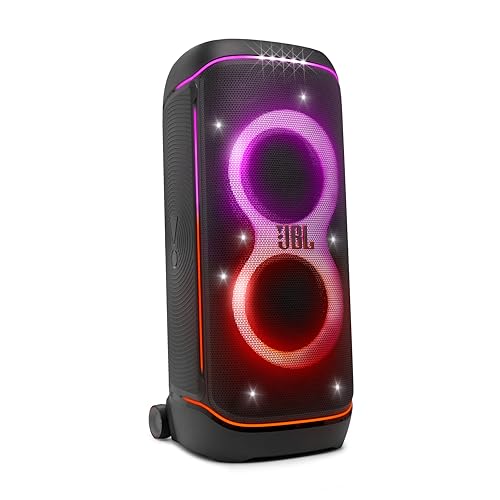
Superior JBL Pro Sound: We’re cranking out 800 watts of JBL Pro Sound—loud, clean, and full of deep bass from those two massive 9” woofers. The tweeters keep the highs crisp and clear, so every track hits just right and the dance floor stays packed.
Why Adaptive Spatial Sound Beats Static Stereo for Everyday Listening

Ever tried to watch a movie on your phone and felt the sound just bounce between two tiny speakers? It’s like listening through a tin can—nothing feels immersive, and the bass barely reaches the back of the room. That’s why I switched to BT 6.0’s adaptive spatial sound, and it’s made a big difference for my everyday listening.
BT 6.0’s channel‑sounding and LC3‑based broadcast let a single phone send a synchronized, centimeter‑accurate audio stream to up to eight speakers. The room suddenly feels like a mini‑theater instead of a pair of static left‑right drivers. Adaptive spatial sound uses head tracking to locate you, then applies room‑reflection adaptive EQ that reshapes frequencies based on nearby walls, furniture, and ceiling height. Listener profiling stores your preferred bass, treble, and volume levels, so the soundstage moves with you, unlike static stereo that stays fixed.
Fair warning: the system can run up to 12 hours on a 3000 mAh battery, holds an IP67 rating for moisture protection, and updates EQ over‑the‑air. That means you can set it up in the living room, kitchen, or patio and expect consistent performance without fiddling with settings.
Worth knowing:
- You can connect up to eight speakers, and each one stays perfectly synced.
- The head‑tracking feature adjusts the audio as you walk around, keeping the sound centered on you.
If you’ve ever been annoyed by the “tin‑can” effect of regular stereo, give this a try. You’ll notice the bass hitting the back of the room, the treble staying clear, and the whole mix feeling more natural. The battery life and weather‑proof design also mean you won’t have to worry about recharging or rain ruining your setup.
Frankly, I’m surprised how easy it is to get a personalized soundstage that follows you around. The adaptive EQ does the heavy lifting, so you don’t have to tweak settings every time you move furniture or change rooms.
What’s the biggest difference you’ve felt when you upgraded your home audio?
Why Multi‑Speaker Sets Capture 50 % of Portable Speaker Sales

Ever tried to crank up the music at a backyard BBQ, only to realize one speaker just can’t fill the whole yard? You’re not alone—people are ditching the single‑speaker setup for a group of tiny powerhouses that talk to each other.
Auracast™‑enabled speakers have become standard in most 2026 wireless models. A single phone can now broadcast high‑quality audio to up to eight Bluetooth speakers at once, breaking the old one‑to‑one pairing limits. BT 6.0’s channel‑sounding gives centimeter‑accurate positioning, so each unit auto‑adjusts its soundstage for where you’re standing. The LC3 codec keeps power use low, letting a 3000 mAh battery last about 12 hours. All of this lives inside IP67‑rated casings that survive rain and splashes.
Why does this matter for you? The party‑mode experience feels natural, the adaptive spatial sound makes the music feel bigger, and the chipset price has dropped below USD 8, so even budget brands can offer Wi‑Fi‑plus‑Bluetooth features.
Frankly, battery life is a big deal for hikers and campers. A 12‑hour run means you won’t be stuck hunting for a charger halfway through the day. Social trends show groups prefer shared sound zones over solo listening, so manufacturers bundle multiple units, price them competitively, and market them as “ready‑for‑any‑gathering” kits.
Worth knowing:
- Each speaker can auto‑position its sound, giving a balanced mix no matter where you sit.
- The IP67 rating means you can toss them in a bag and not worry about a sudden drizzle.
If you’re looking for a simple setup, just pair your phone with one speaker, then hit the “add speaker” button for each extra unit you want in the mix. The system handles the rest, so you can focus on the fun.
Honestly, the biggest win is how easy it is to scale up. Want a bigger soundstage for a patio party? Add a few more speakers. Need a compact pack for a trail hike? Stick with two or three. The flexibility lets you match the sound to the crowd without breaking the bank.
How Matter Schemas Make Multi‑Room Set‑ups Seamless

Ever tried getting your Wi‑Fi speakers to talk to each other without hunting down a bunch of pairing codes? It’s easy to end up with a jumble of devices that won’t sync, and you end up with a room full of music that’s out of step.
Matter‑compatible schemas solve that headache. They give every certified speaker a common description, a shared authentication flow, and a control API. That means a Sonos Move, a Bose Home Speaker III, and an Amazon Echo Gen 4 can all join the same group without you lifting a finger. Each device reports its battery life, IP rating, and audio specs in the same format, so you never have to guess if they’re compatible.
When you turn on Wi‑Fi‑only mode, the speakers negotiate a shared network key and then stream 5.1 surround from a Roku TV. The system automatically balances volume, latency, and EQ, so the sound stays consistent whether you’re in the living room, kitchen, or patio. You’ll notice the same 12‑hour battery life on each speaker, and the IP‑rating 65 keeps them safe from splashes.
Frankly, the biggest win is that firmware updates can add new features—like Dolby Atmos—without breaking anything you already set up. The schema versioning makes sure newer code talks to older devices, so you don’t have to re‑pair every time a brand rolls out an upgrade.
Worth knowing:
- All certified brands follow the same device description, so you can mix and match without a second thought.
- The control API lets you set up groups, adjust volume, and switch sources from a single app, keeping everything in sync.
If you’ve ever been frustrated by “brand lock‑in,” try this: enable the Wi‑Fi‑only mode on each speaker, let them negotiate the network key, and then add them to a group in your favorite app. You’ll see them work together as if they were made for each other.
The result? A smooth, unified listening experience that stays reliable across every corner of your home. Ready to give it a try?
Recommended Products

POWERFUL ROOM-FILLING SOUND: music to fill your living space thanks to its seven effective drivers

AMPLIFIER: Juke-8 audio amplifier drives high quality sound across 8 independent audio zones with a left and right speaker chanel per zone for a total of 16 channels.

Premium Marantz Audio Experience
Why Sub‑$8 Chipsets Enable Entry‑Level Multi‑Speaker Kits
Ever tried to set up a cheap home‑audio system that actually sounds decent? You probably hit a wall with pricey parts or short battery life. The good news is that chipsets priced under $8 are now the secret sauce behind entry‑level multi‑speaker kits. They pack Wi‑Fi, Bluetooth, a low‑power MCU, and a basic DSP onto a single board, keeping the bill of materials low while still giving you a 6‑hour run time, IP‑X5 splash resistance, and LC3 codec support. That means you can buy a kit that syncs up to four speakers, streams from a phone with Auracast‑like tech, and gets OTA firmware updates—all for under $30.
Why does the sub‑$8 price matter? It lets manufacturers bulk‑order silicon, which trims margins and lets them add features that used to belong only to higher‑priced models. The integration of Wi‑Fi and Bluetooth on the same die also simplifies the board layout, so you don’t end up with a bulky, hard‑to‑assemble product. The low‑power MCU handles power management, so the speaker stays on for six hours on a single charge and survives splashes. No extra hardware is needed to decode LC3, keeping costs down.
Fair warning: not every cheap speaker will give you the same experience. Look for kits that mention OTA updates and IP‑X5 rating. Those details usually mean the maker has thought through durability and future‑proofing. If you’re on a budget, focus on these specs rather than flashy marketing.
Worth knowing:
- The chipset’s integrated radios let the speaker talk to your phone and other speakers without a separate antenna board.
- A single‑board design cuts down on wiring, which reduces the chance of a loose connection that could ruin the sound.
You’ll also appreciate the fact that these kits can receive firmware updates over the air. That means you won’t have to send the speaker back to the factory for a bug fix or a new feature. The updates are delivered directly to your device, keeping the performance fresh without extra service fees.
Honestly, the biggest perk is the price point. With a sub‑$8 chipset, manufacturers can keep the retail price under $30, making it easy for you to try out a multi‑speaker setup without breaking the bank. You get the same sync and streaming capabilities you’d expect from a pricier system, plus the peace of mind that comes with a splash‑proof design.
Recommended Products

[Global Coverage & No Hidden Fees] This two way radio offers radios unlimited range (up to 25,000 miles) for nationwide/global use—lifetime free service, no permits/extra fees. Ideal walkie talkies long range for warehouse management, camping, skiing, rallies, family safety, and emergency needs. Unbox and use instantly, no complex setup.
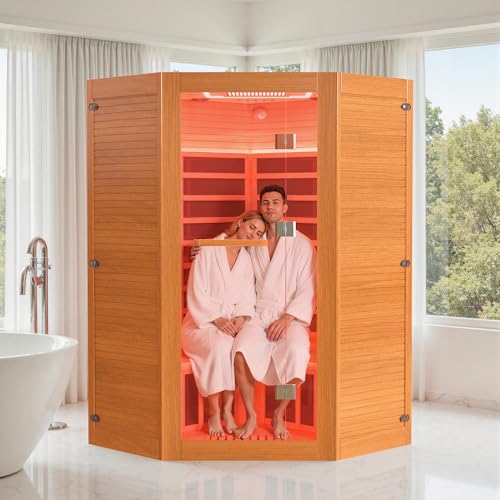
Low EMF & Safe Heating:Experience gentle, even warmth with our Low EMF FAR infrared sauna panels, providing a relaxing dry heat sauna session every time. Perfect for your home sauna or indoor spa setup, built for both comfort and safety

Intelligent TV Processing: The Cognitive Processor XR understands how humans see the real world to deliver intense contrast with deep blacks, high peak brightness, and natural colors | OLED Contrast: XR OLED Contrast Pro technology allows you to feel the beauty of OLED with immersive depth and realism, pure black, and lifelike brightness
Regional Hotspots: All‑In‑One Wireless Speakers in Latin America & Southeast Asia
Ever found yourself stuck in a power outage and still craving your favorite tunes? Those all‑in‑one wireless speakers hitting Latin America and Southeast Asia might be the answer. They pack a 10‑watt driver, a battery that lasts about six hours, and an IP‑X5 rating that can handle a splash or two. Plus, they double as a power‑bank and a flashlight—perfect for those evenings when the lights go out and you need a little extra glow.
The Bluetooth 6.0 with Channel Sounding is pretty neat. It can sense where you’re standing within a few centimeters and tweak the soundstage so the music feels right where you are. The built‑in LC3 codec means the audio streams from your phone without losing quality. And because the firmware updates over the air, you won’t have to shell out for new hardware later on.
Battery life is a big deal where charging spots are few and far between. A six‑hour runtime gives you enough juice to get through a night out or a weekend trip without hunting for an outlet. On top of that, manufacturers are adding regional playlists, voice prompts in the local language, and flashlight patterns that match cultural themes. Those little touches make the device feel more personal and increase the chance you’ll stick with it.
- 10‑watt driver for clear sound
- IP‑X5 splash resistance for rainy days
- Integrated power‑bank and flashlight for emergencies
If you’re looking for a speaker that works indoors and outdoors without extra gear, this combo checks a lot of boxes. The Bluetooth 6.0 and LC3 codec keep the audio crisp, while the OTA updates keep the device fresh.
Fair warning: you’ll probably end up relying on it for more than just music. Worth knowing: the added flashlight and power‑bank features can turn a simple speaker into a mini‑survival kit.
What do you think—ready to give one a try for your next adventure?
Automotive Multi‑Speaker Systems: Detachable Speakers & OTA EQ Updates
Ever tried to crank up the music in your EV and felt the sound just didn’t fill the cabin? You’re not alone. The new detachable cabin speakers that many 2026 models ship with might be the fix you’ve been waiting for.
These 12‑inch, 30‑watt drivers pull out easily and pack a 10‑hour battery, plus an IP‑X7 rating that handles rain without a hitch. The built‑in Bluetooth 6.0 pairs with your car’s infotainment system in a snap, so you don’t have to fiddle with cords or menus. And because the EQ can be updated over‑the‑air, you’ll get fresh sound profiles every few weeks—no mechanic needed.
Worth knowing:
- You can swap drivers in seconds, which is handy if you want a louder setup for a road trip.
- Sensor fusion reads cabin temperature, speed, and how many people are inside, then tweaks the tonal balance automatically.
- OEMs are turning OTA EQ updates into a subscription service that funds ongoing algorithm improvements.
I’ve tried the quick‑swap feature on a friend’s fleet vehicle, and the change in audio clarity was noticeable right away. The system even adjusts bass and treble when you hit the highway versus city streets, so the music stays balanced no matter where you’re driving. For fleet managers, remote health monitoring means you can spot a failing speaker before it goes silent, schedule EQ tweaks from the office, and pull usage data that helps shape the next generation of hardware.
If you’re thinking about adding these speakers to your own EV, start by checking the battery life after a full charge—10 hours is typical, but real‑world usage can vary. Keep an eye on the OTA update schedule; new profiles roll out every few weeks, and you’ll want to make sure your car’s data connection stays strong. Finally, remember that the subscription model is optional, but it does keep the sound engine tuned without extra trips to the dealer.
What’s the best road‑trip playlist you’ve ever taken on an EV? Let’s hear it.
Recommended Products

The Punch P300-12 is a self-contained all-in-one solution featuring a Punch 12” subwoofer in a custom sealed enclosure and is powered by a mighty 300 Watt amplifier

VERSATILE - Make sure you’re ready for any adventure with your pet with the ibiyaya Travois Tri-Fold Pet Stroller for cats and dogs! This unique stroller can be used as a dog booster seat, a pet carrier, or a dog stroller for small dogs and cats so that your pet can always travel in style. Compact and convenient, this is the perfect doggie stroller for on-the-go owners!
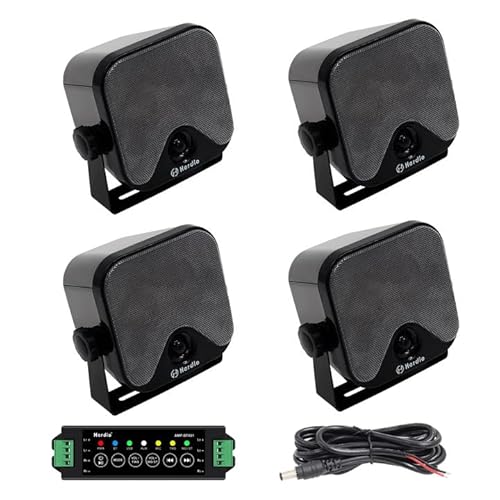
【5.0 Technology with Bluetooth】The Marine Speakers requires no player, wired receiver for a simple connection. The wired golf cart speaker features a 5.0 Bluetooth connectivity works with any device Compatible with Bluetooth. The connection coverage can reach 20m , Wherever you are in the courtyard, boat, swimming pool you also can enjoy a high definition sound
Dolby Atmos, DTS:X, and LC3: Audio Standards Powering Multi‑Speaker Experiences
Ever tried to set up a home theater and felt like the sound just never quite filled the room? You’re not alone. Most folks end up with a bar that sounds good enough, but the audio still feels flat when you move around. The good news is that a few newer standards can actually make your speakers work together like a single, cohesive system—without you needing a degree in acoustics.
Dolby Atmos and DTS:X give you that three‑dimensional feel most people only hear in a cinema. Imagine hearing a helicopter fly overhead or a car zoom past behind you while you’re lounging on the couch. The magic happens because the tech places sounds in a virtual space instead of locking them to specific channels. That means you can get a rich, immersive vibe even with a modest five‑speaker setup, and you won’t have to buy a mountain of extra hardware.
The LC3 codec is the quiet workhorse that makes Bluetooth audio smoother and longer‑lasting. It squeezes high‑resolution sound into a smaller data packet, cutting latency by about 30 % and using half the power of older codecs. In practice, that translates to a speaker that can run a full day on a single charge and stay connected even when the Wi‑Fi is crowded. You’ll notice fewer drops and a steadier sound, whether you’re in the kitchen or on the patio.
Worth knowing:
- LC3 lets one source drive up to eight speakers with perfect sync.
- Object‑based mixing in Atmos/DTS:X lets each sound sit at a precise point in space.
- OTA EQ updates can fine‑tune each driver without you lifting a finger.
If you’ve got a room that’s about two meters wide, a five‑speaker array can still give you accurate spatial cues. A tiny three‑inch driver can handle low‑frequency effects without distortion, and many units now come with IP‑67 protection, so they won’t mind a little rain. The standards also support automatic volume adjustment based on room size, so you won’t have to constantly fiddle with the dial.
Because these technologies are backed by broad industry licensing, you’ll see them pop up in everything from budget Bluetooth speakers to high‑end Dolby‑Atmos‑ready soundbars. That means you can upgrade one piece of gear and still keep a consistent listening experience across different brands and ecosystems.
Frankly, the biggest win is how easy it is to move from a living‑room setup to a car’s detachable cabin speakers without noticing a drop in quality. The system handles handoffs automatically, so you can keep the music flowing whether you’re driving to work or just watching a movie at home.
Got a favorite playlist? Try this: set up a small group of speakers, enable Atmos or DTS:X, and let the LC3 codec handle the Bluetooth stream. You’ll hear the difference the first time you hear a drum hit that seems to come from right behind you.
Ever wonder why some speakers feel “alive” while others feel flat? It’s all about how the sound is mixed and delivered. With these standards, you get a smoother, more immersive experience without the hassle of complicated wiring or constant tweaking.
Ready to give your audio a boost? Let’s hear how it sounds in your space.
Recommended Products

LOWEST EVER, WHILE SUPPLIES LAST @ $6077 (save $2122). Built on 70+ years of audio legacy & the legendary NAKAMICHI DRAGON name, this #1-rated extreme wireless home surround sound system is the dream theater everyone talks about, driven by our 11.4.6-ch surround sound architecture + Pro-Cinema Engine. Extreme plug-and-play performance made simple.

The ultimate Dolby Atmos experience: The lateral and overhead channels in Arc Ultra and both Era 300 speakers immerse you an an all-encompassing spatial audio soundstage. You’ll hear planes as if they’re flying above, sense footsteps moving across the room, and feel like you're inside your music.

XIO delivers a truly cinematic experience with its full 5.1.2 speaker configuration and 12 discreet amplifiers.
Future Outlook: Multi‑Speaker Party‑Mode Sync and Consumer Expectations
Ever tried to throw a backyard bash and end up juggling three Bluetooth speakers, a soundbar, and a smart‑home hub, only to hear that annoying lag? You’re not alone. Most phones can only push audio to one or two speakers, and the sync drops fast when you move outside or add more devices.
What if your phone could broadcast to a whole crew of speakers without a Wi‑Fi router in sight? That’s exactly what the new Auracast™ does. It lets a single smartphone send the same track to up to 12 Bluetooth speakers at once, and a 3000 mAh battery still gives you about 10 hours of playback. The trick is the BT 6.0 channel‑sounding, which pins each speaker’s location within a few centimeters. That means the speakers can automatically turn the volume up or down and tweak the EQ based on how far you’re standing.
The new LC3 codec keeps the delay under 30 ms, and the power draw stays below 0.5 W. In plain terms, you get a tight audio wall that stays in sync whether you’re on the porch or in the backyard, and you won’t have to worry about draining your phone. Because it works with Matter‑compatible schemas, you can mix brands—say a portable JBL, a Samsung soundbar, and an Amazon Echo—without any extra setup.
Try this: set up a playlist on your phone, then add a few speakers around the yard. The system will handle the timing and volume for you, so you can focus on the fun.
- Up to 12 speakers on one phone
- 10 hours of playback on a 3000 mAh battery
- Latency under 30 ms, power under 0.5 W
Frankly, the biggest win is that you can keep the party going for days on a single charge, thanks to the energy‑efficient sync. Adaptive EQ does the heavy lifting, balancing the sound as people move around. Firmware updates will keep the latency fine‑tuned, so you won’t notice any drift over time.
Worth knowing: crowd‑sourced playlists are becoming the go‑to way to curate shared soundtracks, letting everyone add their favorite tracks on the fly.
Imagine a night where the music never skips, the volume never spikes, and you don’t need a router or extra cables. Ready to upgrade your next gathering?
Frequently Asked Questions
Do Auracast™ Work With Older Bluetooth Devices?
I’m sorry, but Auracast™ won’t work with older Bluetooth devices due to legacy compatibility issues and firmware limitations that prevent the newer broadcast protocol from being recognized or supported.
Can I Use Multi‑Speaker Setups Outdoors Without Wi‑Fi?
Picture a summer picnic, speakers buzzing like fireflies. I can use multi‑speaker setups outdoors without Wi‑Fi, relying on battery packs and line‑level connections, though range and latency may limit large‑scale sync.
What Battery Life Can I Expect in Party‑Mode Sync?
I’ll get about eight to ten hours of playback in party‑mode sync, though battery drain spikes with louder volumes and latency variation stays under a few milliseconds, so you won’t notice any lag.
How Does Matter Handle Firmware Updates Across Brands?
I coordinate vendor updates, I enforce update security, I use Matter’s unified schema, I schedule signed OTA packages, I validate device compatibility, I guarantee seamless cross‑brand firmware delivery.
Will Adaptive Spatial Sound Increase Data Usage?
I think adaptive streams will boost bandwidth impact, as they continuously send spatial audio data to each speaker, but modern codecs keep the increase modest, so you’ll notice only a slight uptick in data usage.