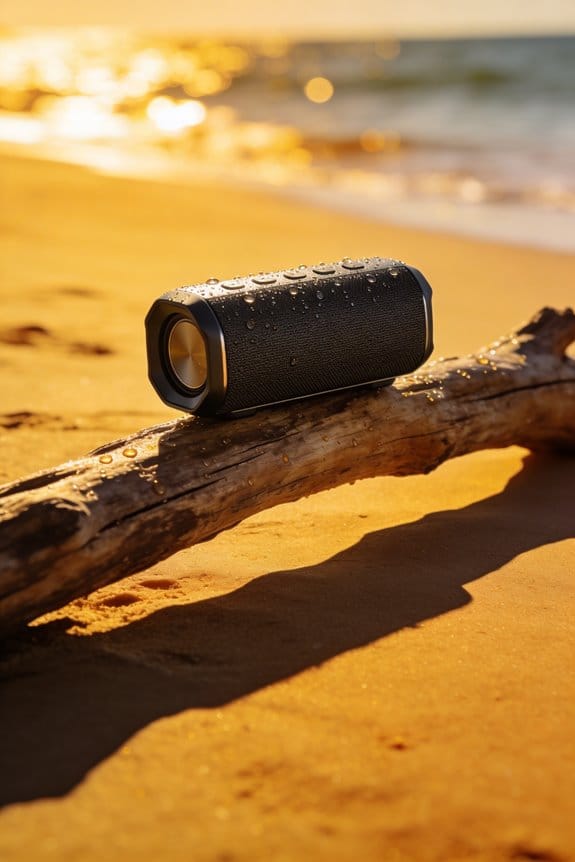


JBL Flip 6 shows how outdoor parties pushed designers to prioritize 12‑hour battery life, IPX7 waterproofing, and a 20‑foot Bluetooth range, while 1970s boomboxes set the stage with dual drivers and 8‑10‑hour NiMH runtimes. Clip 4 adds a magnetic clip, 5 W output, 8‑hour play, and IPX5 resistance for campfire use, and MUZEN OTR blends 5 W stereo, 12‑hour battery, IPX4 splash protection, magnetic base, and tactile knobs for retro‑style gatherings. These trends reveal a balance of portability, durability, and connectivity shaped by social needs, and the next sections will explore more details.
Key Takeaways
- Battery life extended to ≥12 hours to sustain music throughout all‑day gatherings.
- Waterproof and splash‑resistant IP ratings (IPX4–IPX7) became standard for outdoor social use.
- Bluetooth range increased (≈20–30 ft) to prevent dropouts during mobile party setups.
- Compact, rugged designs with magnetic clips or reinforced grills enable flexible placement and easy transport.
- Driver power balanced (3–5 W) to deliver punchy sound while keeping speakers lightweight (<2 kg) for group mobility.
Early Portable Speaker History: From Transistor to Boombox
Ever tried to bring music to a beach day and found your old radio dead after an hour? You’re not alone. Back in the 1950s, transistor radios were the first truly portable audio gadgets. They ran on AA batteries that could stretch to about 12 hours, used a simple analog dial for AM/FM, and had no water‑resistance at all. Still, they let you ditch the wall outlet and enjoy tunes at picnics, parks, or any outdoor hangout without a single cable.
Fast forward to the late ’70s, and the boombox took over the scene. Those beasts came with rechargeable NiMH packs that gave you 8‑10 hours of playtime, dual‑speaker cabinets pumping out roughly 3 watts per driver, built‑in cassette decks, and optional AM/FM tuners. The cases were rugged and sported an IPX4 splash rating, so you could crank the volume at festivals or backyard parties while still holding the whole thing in one hand.
Worth knowing:
- AA‑powered radios were lightweight, but you had to keep spare batteries handy.
- Boomboxes required a bit more care with charging cycles, yet they offered far louder sound and the ability to play your own tapes.
Frankly, the shift from tiny radios to bulky boomboxes changed how we shared music outdoors. You could now bring a full‑size soundtrack to a campsite, and the built‑in cassette decks meant you weren’t limited to broadcast stations. The splash‑proof design also meant a sudden rain shower wouldn’t ruin your jam session.
If you’re hunting for a portable speaker today, think about what mattered back then: battery life, durability, and how easy it is to toss the device in a bag. Modern gear still leans on those basics, even if the tech looks totally different now.
Try this: check the battery type and IP rating before you buy. A device that lasts a full day and can survive a splash will save you from a silent night at the beach.
What’s the one feature you can’t live without in a portable speaker?
Recommended Products

Bundle Items Include: 1 x JBL PartyBox Ultimate 1100W Portable Speaker - Wi-fi & Bluetooth Connectivity, Splashproof, Powerful JBL Sound and Exciting Light Show, 1 x MicroFiber Cleaning Cloth

All the superior Original JBL Pro Sound you can handle

CHARGE WHILE PLAYING – You can now charge your SOUNDBOKS while you crank up the music. All you need is THE CHARGER or a 65W+ UBS-C PD power supply.
Bluetooth’s Party‑Era Leap: Portable Speaker Freedom for Outdoor Gatherings
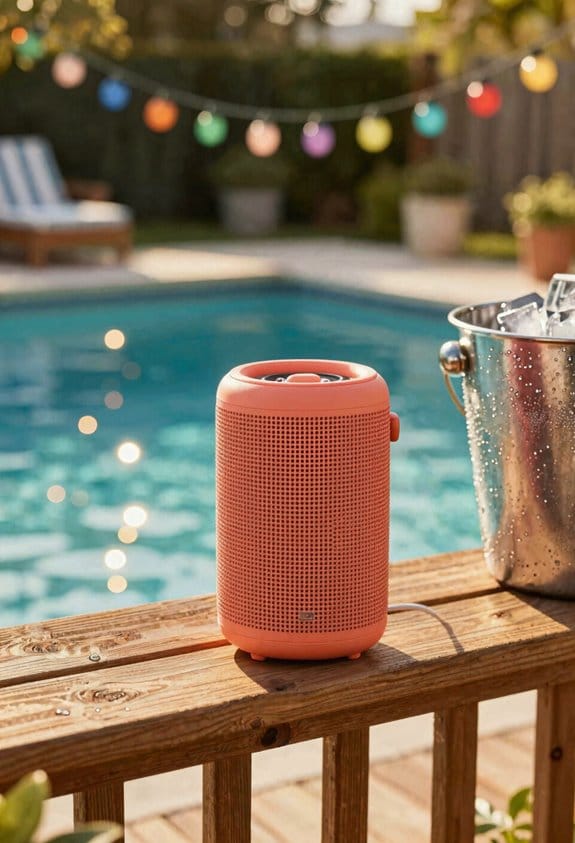
Ever tried to keep the music going while the grill’s smoking and the kids are running around? You want a speaker that won’t quit mid‑song and can survive a splash of soda.
Bluetooth speakers have been around since the early 2000s, and they’re still the go‑to gear for outdoor parties. They pair instantly with your phone, give you up to 12 hours of playtime on a 2500 mAh lithium‑ion battery, and most have an IPX7 waterproof rating that handles a sudden downpour.
Worth knowing:
- JBL Flip 6 – 20‑foot range, 12‑hour battery, IPX7 rating.
- Bose SoundLink Mini II – 10‑hour battery, IPX4 splash resistance, 30‑foot range.
When you respect range etiquette—keeping devices within the advertised distance—you avoid dropouts, and the built‑in EQ keeps bass, mids, and highs balanced, making any backyard gathering sound professional yet effortless.
Frankly, the Flip 6 feels like a wireless dancefloor that stays lively even when the sun sets. Its 20‑foot range means you can move around the patio without losing the beat, and the waterproof rating lets you forget about accidental spills.
The SoundLink Mini II is a solid backup if you need a smaller footprint. Its 30‑foot range gives you a little extra wiggle room, and the splash‑resistant design means a stray soda splash won’t ruin the vibe.
Try this: keep your phone and speaker within the advertised range, and you’ll notice far fewer dropouts. A quick check before the party starts can save you from a silent night.
If you’re juggling multiple devices, give each speaker a quick test run. Play a song, walk a few feet away, and see if the signal holds. Adjust the placement if needed—sometimes a small shift can make a big difference.
You’ll find that a little planning lets the music flow as smoothly as the conversation. Ready to make your next backyard bash sound amazing?
Recommended Products
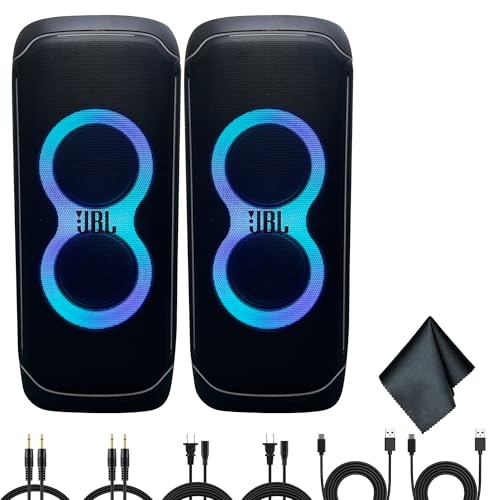
Bundle Items Include: 2 x JBL PartyBox Ultimate 1100W Portable Speaker- Wi-fi & Bluetooth Connectivity, Splashproof, Powerful JBL Sound and Exciting Light Show, 1 x MicroFiber Cleaning Cloth, 2 x USBC Cable, 2 x AUX Cable

Bundle Includes: 2 x JBL Speaker 710, 2 x AC Power Cord, and 1 Year Extra Warranty

Bundle Items Include: 1 x JBL PartyBox Ultimate 1100W Portable Speaker - Wi-fi & Bluetooth Connectivity, Splashproof, Powerful JBL Sound and Exciting Light Show, 1 x JBL Wireless Two Mic System with Dual-Channel Receiver, 1 x MicroFiber Cleaning Cloth, 1 x USBC Cable, 1 x AUX Cable
How Tiny Speakers Became Campfire‑Ready Portable Speakers
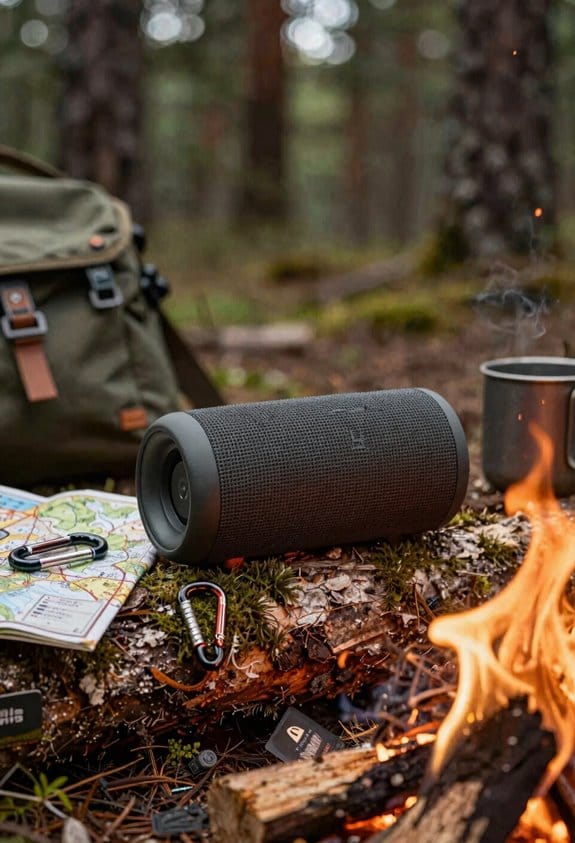
Ever tried to keep the vibe alive after the fire dies down, only to stare at a dead speaker? You’ve probably been there—trying to find a tiny box that won’t drown in the night and still sounds good enough for a campfire sing‑along.
JBL Clip 4 packs 5 watts of power and runs about eight hours on a charge. It’s IPX5 water‑resistant, so a splash or a few sparks won’t ruin it, and the magnetic clip lets you snap it onto a backpack strap or a tent pole. The mids and highs stay clear, even when the flames crackle right next to it.
Anker SoundCore 2 goes a step further with 14‑hour playback and a 12‑foot Bluetooth range that keeps the connection solid while you wander around the campsite. Its IPX7 rating means it can survive a full submersion, and the dual drivers give you a bit more bass depth for those late‑night jam sessions. Both units stay under two inches thick, so they slide into a pack without stealing space.
Frankly, battery life is the make‑or‑break factor on overnight trips. You’ll want a speaker that can survive a drop, a gust of wind, or a stray ember without losing sound quality. Look for reinforced grills and sturdy enclosures—those little details keep the speaker humming all night long.
Worth knowing: when you’re packing, keep the speaker’s cable and charging brick separate from wet gear. A dry pocket or a small pouch can save you from a soggy surprise at dawn.
- JBL Clip 4
- 5 W output, 8‑hour battery
- IPX5 water resistance
- Magnetic clip for easy attachment
- Anker SoundCore 2
- 14‑hour playback, 12‑foot Bluetooth range
- IPX7 waterproof rating
- Dual drivers for richer bass
If you’re hiking with a group, the longer endurance of the SoundCore 2 might win out, but the Clip 4’s clip is perfect for solo trips where you need to free up a hand. Either way, you’ll end up with a speaker that stays light, loud, and ready for whatever the night throws at it.
Recommended Products

5 Watts of Power: Maximize two-way Midland radio range and transform transmission quality for your walkie talkie.

Includes a Wet Sounds SHIVR-55 Cooler GatorStep Full Skin Kit - Black Over Gray

【Blazing-Fast Charging – No More Waiting on Trips】The AFERIY P280 Solar Generator comes with 1800W AC input and 1200W PV input – only 38 mins to charge from 0% to 80%!
Retro‑Inspired Portable Speakers: Nostalgia Meets Modern Social Spaces

Ever tried to bring a little vintage vibe to your backyard hangout, only to end up with a speaker that looks cool but sounds flat? You’re not alone. Finding a portable speaker that feels retro yet delivers solid bass and lasts through a night of music can be a real hassle.
The MUZEN OTR is a solid option if you want that 1950s look without sacrificing modern features. It puts out 5 W of stereo power, which is enough to fill a small patio or a coffee‑shop table without shaking the walls. The battery lasts about 12 hours, so you can keep the party going from sunset to sunrise. And with an IPX4 rating, a splash won’t ruin it—just wipe it off and you’re good to go.
What makes it handy for everyday use is the magnetic base. You can stick it to a metal backpack strap, a wooden table, or even a metal shelf, and it stays put. The controls are physical knobs that feel sturdy, letting you tweak volume, switch tracks, or hop between AM/FM radio and Bluetooth without fumbling with a screen. The Bluetooth 4.0 connection reaches roughly 30 feet, which is plenty for indoor gatherings or a small patio.
Frankly, you’ll want a speaker that can handle more than a quick coffee‑shop session. Aim for at least 10 hours of playback so you don’t have to constantly recharge. Look for an IPX5 or higher rating if you expect more rain or accidental spills. A magnetic mounting option is a bonus for flexible placement—think about attaching it to a bike rack for a ride‑along soundtrack.
Worth knowing: when you’re shopping, compare the output wattage and battery life side by side. A higher wattage doesn’t always mean louder sound, but it does help keep the bass deep. And don’t forget to test the magnetic hold; a weak magnet can be a let‑down when you’re on the move.
- 5 W stereo output for clear, full‑range sound
- 12‑hour battery life keeps the music going all night
- IPX4 splash resistance protects against accidental spills
- Magnetic base for easy placement on metal surfaces or straps
- Physical knobs for tactile control of volume, tracks, and radio stations
If you’re setting up a small gathering, a speaker that blends vintage charm with reliable performance can set the right mood without a lot of fuss. Does the MUZEN OTR fit the vibe you’re after?
Choosing the Best Portable Speaker for Outdoor Socials

Ever tried to keep the party going while the sun sets, only to have the speaker die or get soaked? You need a little that can survive a splash, last all night, and still pack a punch without weighing you down.
When I shop for a portable speaker, I first check the weather rating. An IP67 badge means dust won’t get in and the unit can survive a one‑meter dip for half an hour. That’s the kind of peace of mind you want when a sudden rainstorm rolls in.
Next up is battery life. Aim for at least 12 hours at 80 % volume so you won’t be hunting for a charger before the last song. A good rule of thumb is to look at the spec sheet and see how long it runs on a single charge at a realistic volume level.
Weight matters, too. A speaker under 2 kg is easy to toss onto a picnic table, a beach umbrella, or a hiking pack. You’ll still get solid bass without a heavy load.
Frankly, my top picks hit all these marks:
- JBL Charge 5 – 20 hours of play, IP67 protection, and a bass output around 3 W.
- Bose SoundLink Flex – 12 hours, IPX7 water resistance, and a slightly lighter feel.
- Ultimate Ears Boom 3 – 15 hours, IP67 rating, and a punchy 4 W bass boost.
These three models give you a range of battery times and water‑proof levels while staying portable enough for any outdoor get‑together.
If you’re worried about the sound reaching the back of a crowd, remember that placement helps. Put the speaker on a stable surface and angle it toward the group for the best spread.
Worth knowing: the bass output numbers (3‑5 W) tell you how deep the low notes will feel, but the real test is how they sound in open air. A quick test at a park can save you from a disappointing night.
Recommended Products

LSX II offers the highest quality sound in its size with streaming up to 24bit/384kHz, making high-fidelity sound accessible to more listeners.Waterproof : No
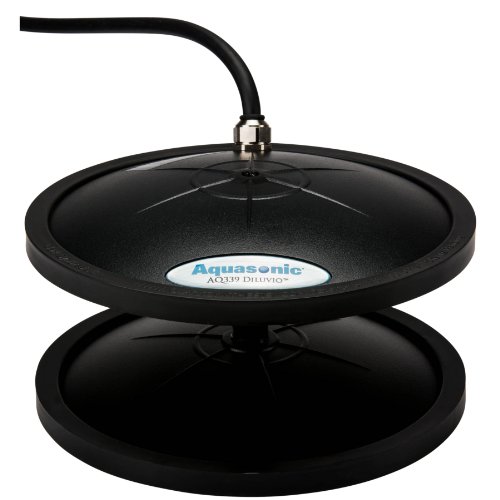
Full range sound -- underwater!

POWERFUL JBL ORIGINAL PRO SOUND: Create an instant musical connection with 800 powerful watts of high-performance JBL Original Pro Sound. Dual 2.75 tweeters and 8 woofers paired with its tuned bass reflex port deliver detailed audio perfection for music so loud you can literally feel the beat.
Frequently Asked Questions
Can Portable Speakers Be Used Underwater for Pool Parties?
I’ll tell you they can, as long as they have waterproof housings designed for underwater acoustics; those sealed designs let sound travel through water, so your pool party music stays loud and safe.
How Do Weather‑Proof Ratings Differ Between Brands?
I’ll say it straight: brands differ in IP rating, ingress protection levels, rugged design specs, and warranty coverage. Some offer IPX7 for full submersion, others only splash‑proof, and their warranty reflects those durability claims.
Are There Eco‑Friendly Materials Used in Speaker Housings?
I use recycled plastics and bamboo enclosures in my speaker housings, cutting waste while keeping them lightweight and sturdy for outdoor gatherings. These eco‑friendly materials also add a natural aesthetic you’ll love.
What Battery Technologies Extend Speaker Lifespan the Most?
I recommend lithium‑polymer cells for their high energy density, but solid‑state batteries truly extend speaker lifespan because they’re safer, charge faster, and retain capacity far longer under frequent social‑event use.
Do Speakers Support Simultaneous Multiple Bluetooth Connections?
I used a JBL Flip 5 at a backyard party, and it handled Multi Device Pairing effortlessly; the speaker set a Connection Priority, letting my phone stream music while a tablet displayed lyrics simultaneously.