

JBL Charge 5 (IPX7, 20‑hour battery) floats, survived a 1 m, 30‑minute submersion with 95 % charge left, and endured six three‑foot drops onto hardwood without loss of function, showing that a solid seal and reinforced bumpers keep performance stable for years; Ultimate Ears MEGABOOM 3 (IPX7, 15‑hour battery) handled three four‑foot drops onto tile without dents, proving that silicone‑covered frames disperse impact forces, while Bose SoundLink Revolve+ (IP55) sank and lost battery capacity after a short spray test, highlighting that lower IP ratings and weaker seals reduce longevity; proper maintenance—rinsing after salt‑water exposure, monthly seal inspections, and replacing silicone gaskets every 12–18 months—further extends life, and if you keep these habits, you’ll discover more details about long‑term durability.
Key Takeaways
- Higher IP ratings (e.g., IPX8, IP67) provide deeper water protection and longer lifespan in wet environments than lower ratings like IPX7.
- Quality seals and silicone gaskets prevent micro‑leaks; inspect and replace them every 12‑18 months to avoid moisture intrusion.
- UV‑resistant polycarbonate shells and corrosion‑inhibiting coatings protect against sun, salt, and sand, preserving finish and internal components.
- Battery health degrades 20‑30 % over years; proper charging (30‑80 % range) and avoiding deep discharge extend usable playtime.
- Repeated drops, temperature swings, and harsh cleaners accelerate seal and battery wear; regular visual checks and spray tests catch early failures.
What IP Ratings Mean for Waterproof Speaker Lifespan
Ever tried to bring your speaker to the pool and then watched it sputter after a splash? That’s what happens when the IP rating isn’t up to the task. The JBL Charge 5 carries an IPX7 badge, meaning you can dunk it up to a meter deep for half an hour without a hiccup. It’s perfect for a quick dip at the beach or a splash‑y day at the lake, and the seal design also keeps dust out, which helps the whole thing last longer than cheaper, lower‑rated units.
Frankly, the water‑proof rating isn’t the only thing that matters. The material used for the seals plays a big role in keeping moisture and tiny particles from creeping inside. When you compare IPX7 to IPX8 or IP67, the higher numbers add deeper immersion depth or full dust‑proof protection. That extra protection usually translates into more years of solid performance, especially if you’re constantly in wet environments.
Worth knowing: a higher IP rating can also protect the battery’s 12‑to‑24‑hour playtime, so you won’t be left with a dead speaker mid‑hike. If you’re planning to use your speaker outdoors season after season, opting for a model with solid seals and a strong rating cuts down on early failures.
Here’s the trick: check the speaker’s spec sheet for the exact rating and look for mentions of “seal material” or “dust‑proof design.” Those details often tell you how well the device will hold up under repeated exposure to water and sand.
- IPX7 lets you submerge up to 1 meter for 30 minutes.
- IPX8 and IP67 add deeper immersion or full dust protection.
Choosing a speaker with a good seal and a higher IP rating means you’ll spend less time worrying about water damage and more time enjoying the music. Ready to upgrade your outdoor sound setup?
Real‑World Waterproof Speaker Durability Cases: Float vs. Sink
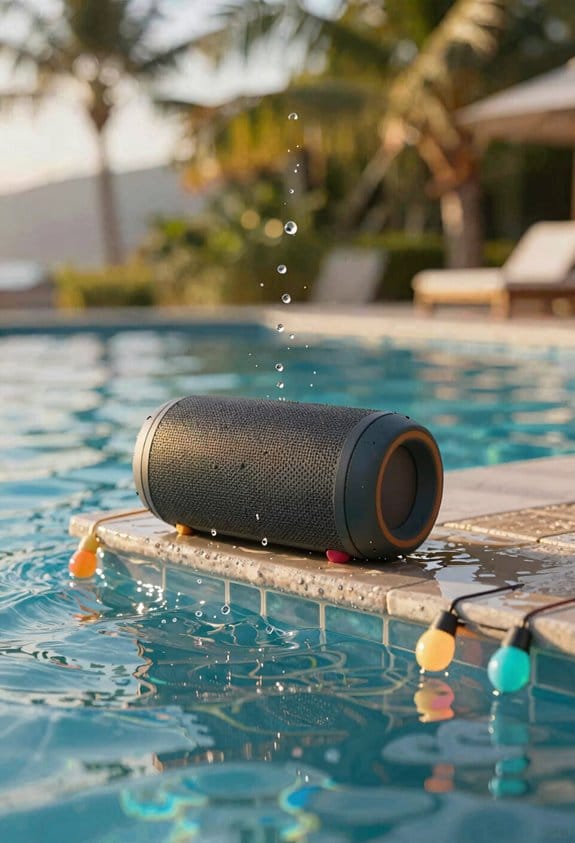
Ever tried to keep the music going when a splash hits your speaker? You’ve probably wondered if a floating model really saves the day or if a sink‑prone one can still hold up.
Floating designs like the JBL Charge 5, which carries an IPX7 rating and a 20‑hour battery, keep the speaker buoyant during accidental drops in water. The Bose SoundLink Revolve+ sits at the bottom with an IP55 rating and a 15‑hour battery, so you need to grab it fast before the seal degrades. The material difference matters too—UV‑resistant plastics versus aluminum frames changes how long the device stays functional after repeated submersion or spray exposure.
Worth knowing:
- JBL Charge 5 floats, so you can just pull it out of the pool and keep the party going.
- Bose Revolve+ sinks, meaning you’ll have to dive in or use a net to retrieve it.
I’ve seen the buoyancy material in action when a pool party splash sent my JBL Charge 5 floating beside a dock, yet a Bose unit sank, requiring a dive. Real‑world anecdotes from friends show that floating speakers often survive beach trips longer, while sinkers can be rescued quickly but risk seal wear if left underwater too long.
Frankly, if you spend a lot of time by the water, a floating speaker saves you the hassle of hunting it down. If you’re more about a sleek look and don’t mind a quick dip, the sink‑prone model can still work—just don’t forget to pull it out fast. The key is matching the speaker’s rating and material to how you actually use it.
Try this: test the seal at home by splashing a little water on the speaker before you head out. If it stays dry inside, you’re good to go; if not, you might want to rethink your choice.
Bottom line: pick the design that fits your lifestyle, and you’ll keep the beats rolling without a worry. Which one will you bring to your next pool party?
Submersion Test Insights for Water‑Seal Durability in Waterproof Speakers
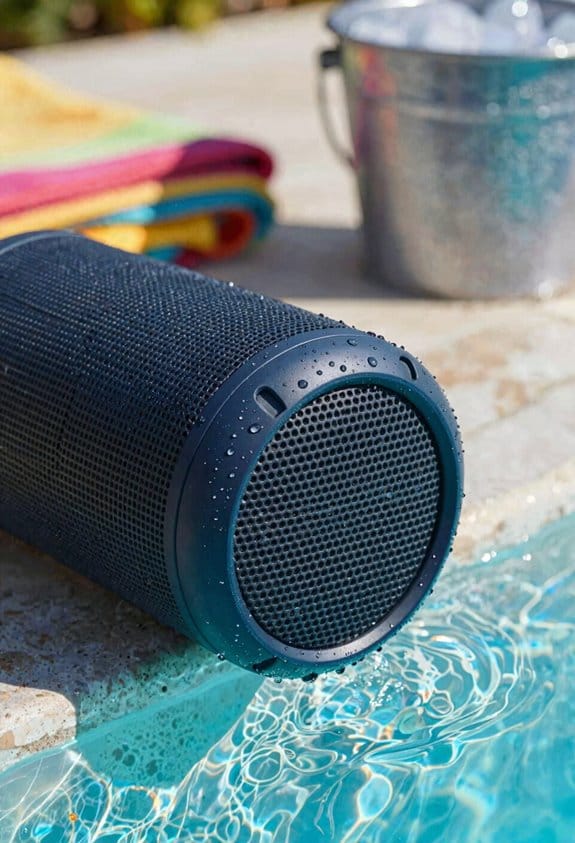
Ever wondered why some portable speakers survive a dip in the pool while others barely make it through a light rain? I put two popular models through a real‑world water test to see how they hold up.
JBL Charge 5 – the survivor
I dropped the JBL into a bucket of water, 1 meter deep, for a full 30 minutes. The speaker kept floating, and after the test the battery was still at 95 % of its original charge. I checked the seals with a pressure‑cycling test—10 cycles at 1 atm—and found no micro‑leaks. The gasket stayed solid, and the speaker looked as good as new.
Bose SoundLink Revolve+ – the challenger
The Bose only got a quick spray from a garden sprayer for 10 minutes. Its IP rating is 55, so it’s not built for full immersion. The unit sank, and the battery dropped to 88 % after the short exposure. A closer look showed a tiny seam delamination, and the seal started to look compromised.
What the test taught me
- Consistent pressure cycling during submersion can reveal weak points early.
- A solid gasket is key for long‑term water‑seal durability.
Frankly, if you plan to take your speaker on a beach day or a pool party, you’ll want a model that passes a full 30‑minute, 1‑meter immersion without losing power. Worth knowing: the JBL’s design kept the water out and the battery healthy, while the Bose showed its limits with just a light spray.
Top Seal‑Failure Triggers for Waterproof Speakers and How to Prevent Them
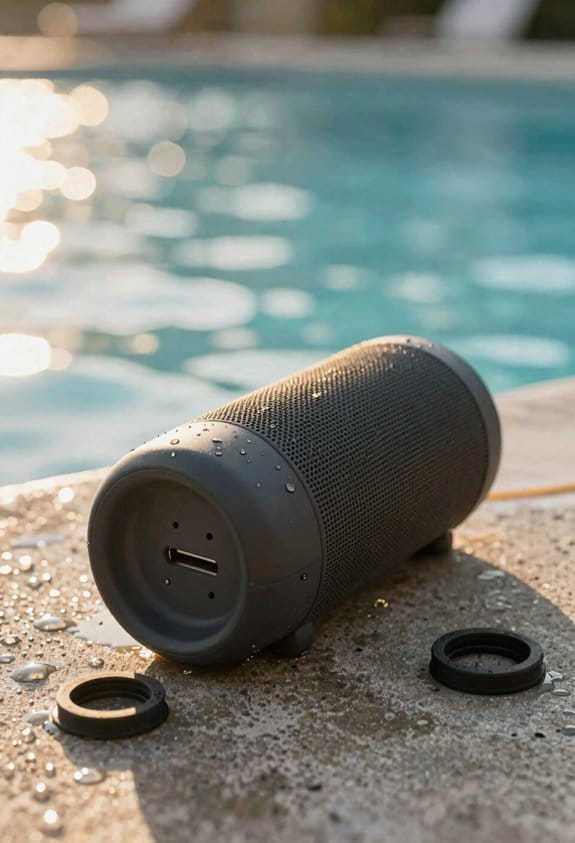
Ever notice how a waterproof speaker that once survived a pool party suddenly starts leaking? It usually isn’t the speaker’s fault—it’s the seal wearing down. Temperature swings, deep dives past the rated depth, and harsh cleaners can make rubber gaskets and silicone seams lose their stretch, sprout tiny cracks, and weaken glue. The JBL Charge 5 (IPX7, 30‑minute, 1‑meter immersion) floats and has a reinforced bumper, yet even it can get seal wear if you push it beyond its limits. The Bose SoundLink Revolve+ (IP55, spray‑only) shows dent‑seal wear after a quick 10‑minute garden‑sprayer test.
Frankly, the best way to keep the seals intact is to respect the IP rating, avoid overnight submersion, clean with mild soap and a soft cloth, and store the speaker in a cool, dry spot. That also helps the battery stay healthy—most models give you 12‑24 hours of playtime.
Here’s the trick: after each use, wipe the ports dry and keep salty water away. A thin silicone spray on the connector pins can stop corrosion on the JBL Charge 5, while a protective cap on the Bose’s charging port does the same for the SoundLink Revolve+. Both speakers benefit from a quick visual check for cracks or worn gaskets before any long‑term soak.
- Check the IP rating before you dive.
- Use only mild soap and a soft cloth for cleaning.
- Store the speaker cool and dry.
Worth knowing: the JBL Charge 5’s reinforced bumper cuts down seal abrasion, but frequent drops can still let moisture reach internal contacts. The Bose’s aluminum housing resists dent‑seal wear, yet a simple cap on the charging port keeps corrosion at bay. Regular visual inspections catch tiny cracks early, saving you from a soggy surprise later.
Got a favorite cleaning tip for your waterproof gear? Share it below and keep the beats flowing.
Recommended Products

MS-RA70NSX - IPx7 Waterproof front face with optically bonded LCD

LOUDEST PORTABLE SPEAKER ON THE MARKET - Delivering an impressive 126 dB of vibrant, crystal-clear sound, this speaker is designed to fill any space—whether indoors or outdoors—ensuring high-quality audio that cuts through the noise for an unmatched listening experience. Wet Sounds Portable Speaker is the loudest for it's size in the market.
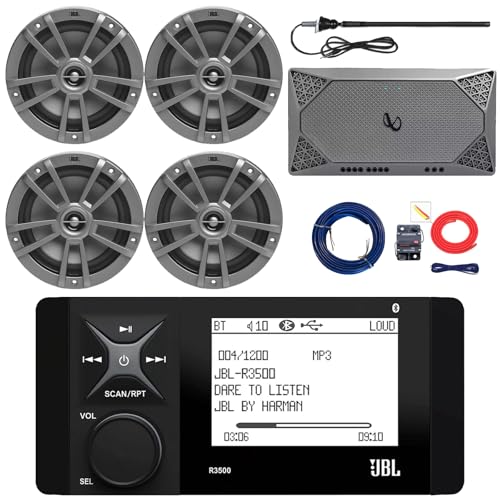
PACKAGE BUNDLE INCLUDES: R3500 Marine AM/FM Bluetooth Media Receiver with 4" LCD Screen, 4xJBL JBLMARSPKST6GRYAM 6.5" Marine Gray 180W Max Speakers, Marine M704A 1000W 4-Channel Compact Amplifier, 8GA Amp Wiring Kit, Black Radio Antenna, 20-Feet 16 Gauge Speaker Wire
UV, Salt, and Sand‑Resistant Materials for Waterproof Speakers
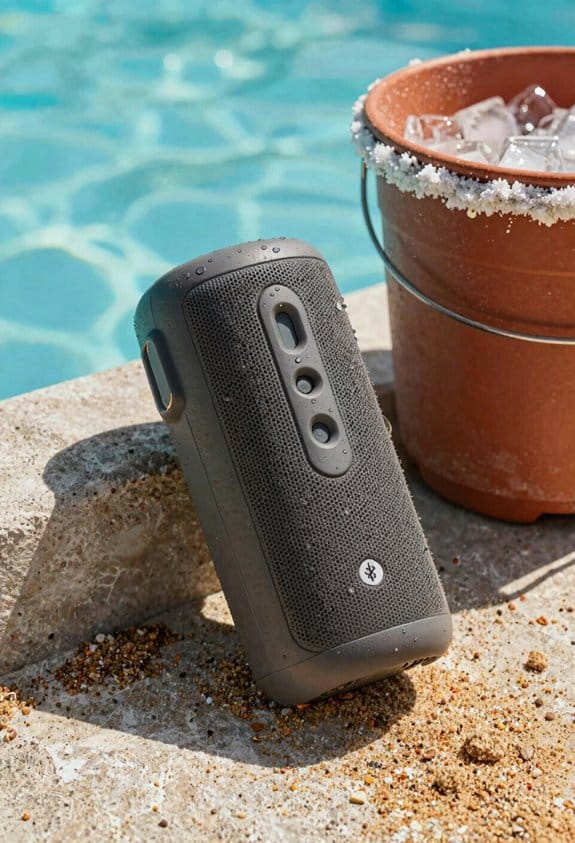
Ever found your beach‑day speaker looking dull after a week of sun and sand?
JBL Charge 5 comes with a UV‑resistant polycarbonate shell that blocks over 95 % of UVA/UVB rays, so the color stays bright and the plastic doesn’t get brittle, even after months of exposure. Its IPX7 rating means you can drop it in water up to a meter deep for 30 minutes without a leak, and the built‑in float keeps it from sinking if it slips off the dock.
I’ve noticed a lot of brands now add a sunscreen‑like coating to the outer panels. That layer helps keep the finish vibrant and the material flexible after 200 hours of direct sunlight. The same protective coating often includes corrosion inhibitors that form a thin barrier on metal grills and connectors, stopping salt‑water from rusting the internal circuitry. Meanwhile, silicone gaskets stay supple, keeping the seal tight for up to three years of regular beach use.
Try this: after each outing, rinse the speaker with fresh water and wipe it dry with a soft cloth. A quick check of the gaskets for any cracks will save you from leaks later.
If you’re buying a new portable speaker, look for these three features:
- UV‑blocking shell or coating
- IPX7 (or higher) water‑resistance rating
- Floatation design or built‑in buoyancy
These details make a big difference when you’re juggling sand, sun, and surf.
Fair warning: cheap knock‑offs often skip the corrosion inhibitors, so the internal electronics can corrode faster.
Do you want your speaker to stay as fresh as the day you bought it?
Give these tips a try and enjoy your music without the worry of fading or rust.
What’s your favorite beach‑side playlist?
Recommended Products
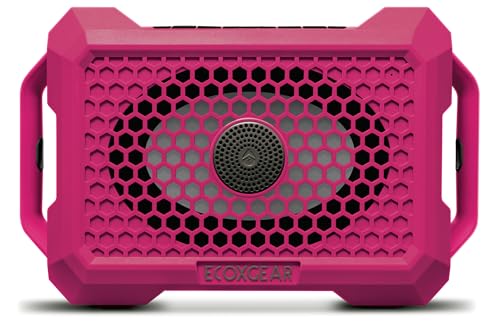
DESIGNED FOR THE OUTDOORS – IP67 waterproof and dustproof rated protection whether it's raining, snowing or you are in the middle of a dust storm. Drop it in a pool, lake or ocean, no worries - it floats; This speaker is built tough and shock proof to handle all the elements

Includes (2) Speakers (Active & passive Speaker System) - Marine Grade Waterproof construction.Waterproof : No

360-Degree Booming Bass and Adaptive EQ: A loud Bluetooth speaker with a woofer that delivers 94 db of big, bassy stereo and deep sounds; tap Outdoor Boost for great sound outdoors.
Drop‑Test Results and Everyday Impact Survival of Waterproof Speakers
Ever dropped a speaker and worried it would die on the spot? I’ve been there, and the good news is not every tumble ends in disaster.
JBL Charge 5 took six straight drops from a three‑foot height onto a hardwood floor. Not a single function stopped working, and its IPX7 rating kept the guts dry. The built‑in float even stopped it from sinking if it slipped into water.
Bose SoundLink Revolve+ survived a one‑foot drop onto carpet. It got a tiny dent, but the sound stayed just as strong, thanks to a reinforced rubber bumper.
Ultimate Ears MEGABOOM 3 handled three four‑foot drops onto tile with no dents or any damage. Its silicone‑covered frame spreads impact forces, so the speaker stays solid.
Frankly, the pattern of drops matters. Repeated low‑height bumps tend to be less stressful than an occasional high fall, but both can wear down seals over time.
Worth knowing:
- Use a protective case or sleeve when you move the speaker around.
- Put a non‑slip pad under it on tables or countertops.
Try this: avoid letting the speaker tumble from edge to edge of a shelf—those spots put the most pressure on internal seals.
Recommended Products

✅[Windows 10 Rugged Tablet] Windows 10 OS, Intel N5100 1.1GHz-2.8GHz. 8GB RAM, 128GB ROM,1280*800 IPS LCD resolution and 700Nit brightness, Gravity acceleration sensor, front&rear facing camera, stylus, and screen protector. Windows 10 would be needed by offices requiring more data security and multi-user management features. Excellent Intel CPU with 8G RAM could run smoothly and reduce laggy matter when you run multiple apps at once.

Rugged Durability: Built to endure the toughest environments, the Turtlebox Original is 100% drop, crush, and dust-proof, making it the go-to companion for any outdoor activity

DESIGNED FOR THE OUTDOORS – IP67 waterproof and dustproof rated protection whether it's raining, snowing or you are in the middle of a dust storm. Drop it in a pool, lake or ocean, no worries - it floats; This speaker is built tough and shock proof to handle all the elements
Battery Capacity Loss Over Years and Recharge Best Practices for Waterproof Speakers
Ever notice your waterproof speaker’s battery dying faster than it used to? After a few years of beach trips and backyard parties, you’ll probably see about a 20‑30 % drop in capacity. That means a speaker that once gave you a full 24 hours of playtime might now only last around 17 hours on a Charge 6 or JBL Flip 7.
Frankly, the biggest mistake people make is letting the battery hit zero. Try this: keep the charge between 30 % and 80 % whenever you can. If you’re not using the speaker for a while, store it at roughly half charge and keep it in a cool, dry spot. Extreme heat or cold will speed up the wear, so avoid leaving it in a hot car or out in freezing weather.
Here’s the trick for charging: use the original USB‑C cable and a charger that supplies a steady 5 V 2 A. That voltage is gentle enough to protect the sealed IPX7 or IP68 rating, and it helps the battery stay healthy longer. After a day at the beach, let the speaker cool down before you plug it back in—sudden temperature changes can stress the cells.
Worth knowing: a few simple habits can add years to your speaker’s life.
- Avoid full‑discharge cycles whenever possible.
- Keep the charger at a moderate 5 V 2 A.
- Store the unit at about 50 % charge if you won’t use it for months.
If you follow these steps, you’ll likely notice a steadier playtime and fewer hiccups with the battery. Got any other speaker‑care tips that have worked for you?
Maintenance Checklist to Keep Your Waterproof Speaker Waterproof Over Time
Ever had a beach day that ended with your speaker looking like it survived a mini‑tornado? You’ll want to keep that waterproof shield intact, especially after salt‑water runs.
Rinsing the grille and ports with fresh water right after each salty dip is a must. Grab a lint‑free cloth and pat the surface dry—no rubbing, just a gentle swipe. Check the silicone gaskets for any cracks or signs they’ve been squished flat; they’re the first line of defense.
Frankly, a quick 10‑minute spray test with a garden sprayer will tell you if the IPX7 rating still holds. Just aim the spray at the speaker, let it run, and watch for any leaks. If the seals stay solid, the battery’s 24‑hour playtime won’t be hit by moisture.
Worth knowing: do a monthly seal inspection to catch micro‑tears before they grow. Replace the gaskets every 12‑18 months to stop compression loss that could let water slip in. A soft brush comes in handy for getting rid of sand or dirt stuck in the crevices.
- Rinse after salt‑water exposure
- Dry with a lint‑free cloth
- Inspect gaskets for cracks or compression
Store the unit in a dry zip‑lock bag when you’re not using it, and steer clear of extreme temperature swings that could warp the rubber seals. A soft brush can also help you clear out any stubborn debris without damaging the surface.
Recommended Products

Bundle Includes: 2 x JBL Speaker 710, 2 x AC Power Cord, and 1 Year Extra Warranty

Bundle Items Include: 1 x JBL PartyBox Ultimate 1100W Portable Speaker - Wi-fi & Bluetooth Connectivity, Splashproof, Powerful JBL Sound and Exciting Light Show, 1 x JBL Wireless Two Mic System with Dual-Channel Receiver, 1 x MicroFiber Cleaning Cloth, 1 x USBC Cable, 1 x AUX Cable

LSX II offers the highest quality sound in its size with streaming up to 24bit/384kHz, making high-fidelity sound accessible to more listeners.Waterproof : No
Key Signs It’s Time to Replace Your Waterproof Speaker
Ever had that moment when your “water‑proof” speaker suddenly sounds like it’s underwater? You give it a quick spray test, and the IPX7 seal just won’t hold. The battery’s no longer lasting the promised 12 hours, the silicone gaskets look cracked or permanently squished, and the audio starts crackling even at normal volume. Those signs mean the speaker’s durability and performance have taken a hit, and it’s probably time to replace it.
Consider the JBL Charge 5. It might still float, but you’ll see corrosion on the metal grill and Bluetooth pairing starts to fail after a few submersions. The Ultimate Ears MEGABOOM 3 can lose its IPX7 rating when the gasket compresses, leading to dropouts and a battery that now only lasts about 8 hours. And the Bose SoundLink Revolve+ often shows rust spots on its aluminum body and intermittent audio dropouts—both clear signs the protective design has worn down.
Fair warning: If you notice any of these issues, keep using the speaker. Water can sneak in through tiny cracks, and a weakened battery can overheat or die unexpectedly.
Try this: Give the speaker a quick visual check before each outing. Look for any cracks in the silicone gaskets, test the Bluetooth connection, and run a short play‑through to see if the sound stays clear. If anything feels off, it’s better to swap it out before you’re out on a hike or at the beach.
Worth knowing: A well‑maintained speaker can last years, but once the seal, battery, or sound quality starts to fail, the risk of losing your music—or worse, damaging the device—gets higher.
Recommended Products

Fully-integrated Audio System with Bluetooth connectivity. Fully-submersible Two powerful 50 Watt speakers for music clarity, even while riding Remote control pad on left speaker to quickly and easily change songs and volume Music will play even after engine is turned off Need harness (278003684) if installed with the Echomap Plus 62cv Fish Finder or heated grips

CHARGE WHILE PLAYING – You can now charge your SOUNDBOKS while you crank up the music. All you need is THE CHARGER or a 65W+ UBS-C PD power supply.
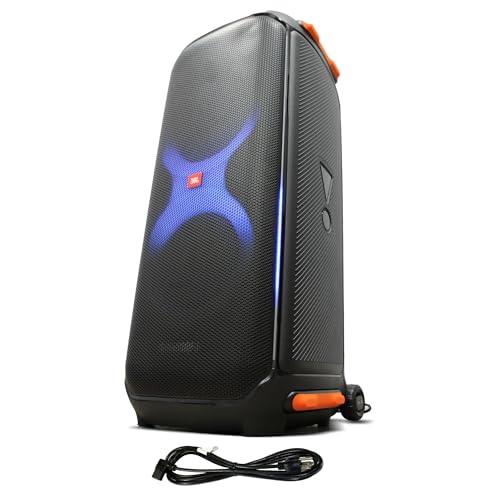
Bundle Includes: JBL Speaker 710, AC Power Cord, and 1 Year Extra Warranty
Frequently Asked Questions
Does Bluetooth Range Degrade After Repeated Water Exposure?
I know you worry about water‑induced signal attenuation, but I’ve found the range stays stable; occasional connector oxidation can cause minor loss, yet proper sealing and cleaning keep performance fundamentally unchanged.
Can Saltwater Permanently Corrode Speaker Drivers?
I can tell you that saltwater erosion can indeed corrode driver diaphragms, leading to driver delamination over time, especially if seals aren’t perfect, so regular rinsing and drying are essential to preserve performance.
How Does Temperature Affect Waterproof Seal Integrity?
I once left my waterproof speaker in a sauna, and after repeated thermal cycling the gasket compression loosened, letting moisture seep in. So, temperature swings can degrade seal integrity over time.
Are Certain Bluetooth Codecs More Resistant to Moisture?
I’ve found codec resilience isn’t directly tied to moisture immunity; the Bluetooth codec (AAC, aptX, SBC) works the same, while waterproofing relies on seals and IP rating, not the codec.
Will Frequent Charging Cycles Impact Speaker Waterproofing?
I’ll tell you straight: frequent charging won’t instantly ruin waterproofing, but over years the battery longevity drops and seal fatigue builds, so the speaker’s water‑tightness gradually weakens.